
Innovations in Interior Cabin Filtration for Improved Air Quality

In recent years, there has been a growing concern about air quality and its impact on human health. This concern has extended beyond the outdoor environment and into the spaces where we spend a majority of our time – our homes, offices, and even our vehicles. With the average person spending about 90% of their time indoor, it’s crucial to have good air quality in these spaces. This is where innovations in interior cabin filtration come in. In this article, we will explore the advancements in cabin filtration systems, specifically for vehicles, and how they are improving air quality for passengers.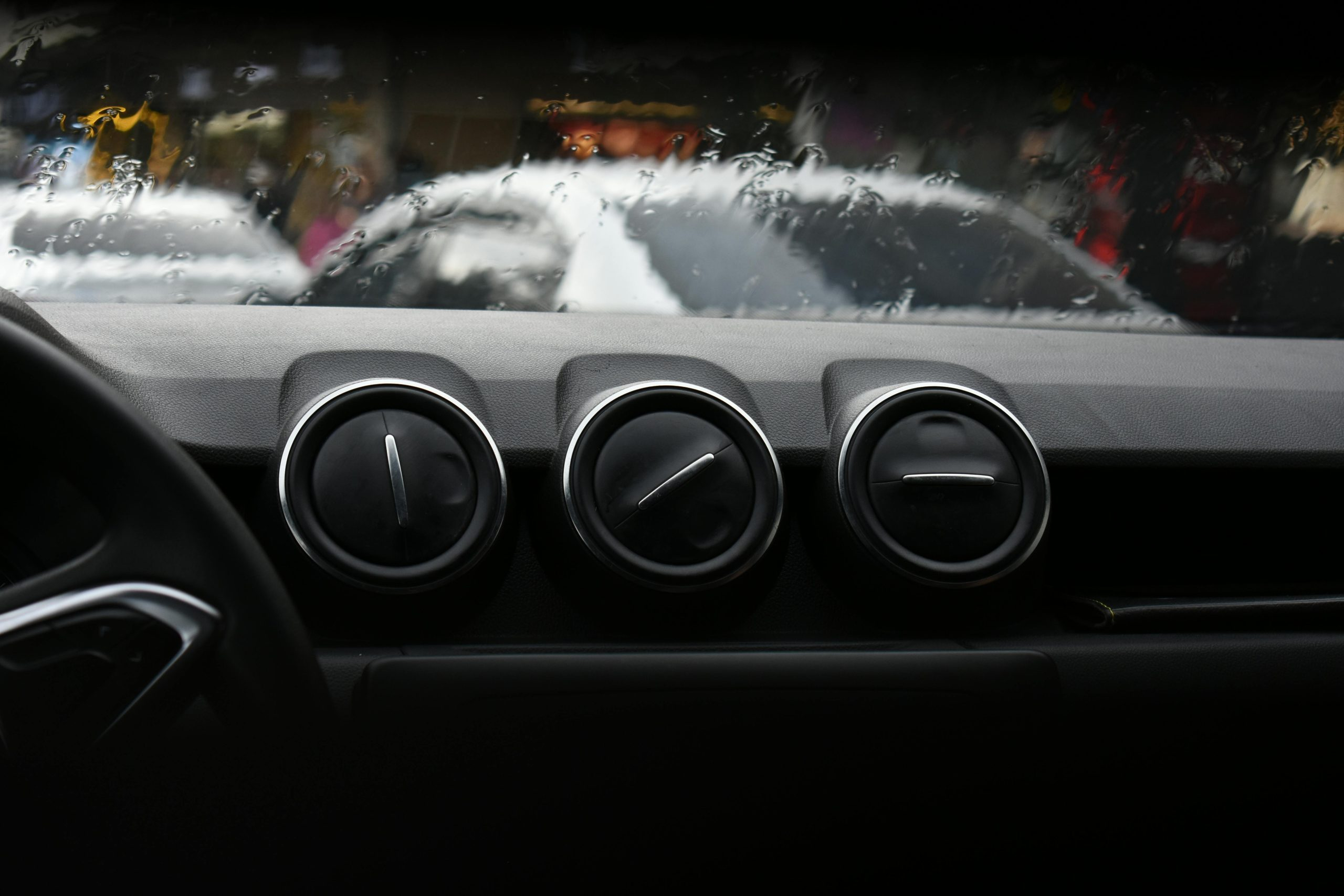
The Importance of Interior Cabin Filtration
Before delving into the innovations in interior cabin filtration, it’s essential to understand why it’s important in the first place. The air we breathe affects our overall health and well-being, and poor air quality can cause various health issues such as respiratory problems, allergies, and even heart disease. Therefore, it’s crucial to have proper ventilation and filtration systems in indoor spaces, including vehicles, to maintain healthy air quality.
New Technologies for Improved Air Quality
HEPA Filters
One of the latest innovations in interior cabin filtration is the use of High-Efficiency Particulate Air (HEPA) filters. These filters are designed to trap microscopic particles and pollutants, including dust, pollen, smoke, and even bacteria. Unlike traditional cabin filters, HEPA filters have a high-efficiency rate of 99.97%, meaning they can capture particles as small as 0.3 microns.
This technology is not entirely new and has been used in commercial and residential settings for a long time. However, it’s now being incorporated into vehicle cabin filtration systems, making it a game-changer in terms of air quality. HEPA filters not only help improve the air quality inside the vehicle, but they also help in reducing the level of pollutants in the outside air coming into the vehicle.
Nano-Fiber Filtration
Another emerging technology in interior cabin filtration is the use of nano-fiber filters. These filters are made up of tiny, densely-packed fibers that can trap particles even smaller than 0.3 microns. This means they can capture ultra-fine particles like viruses and bacteria, providing an additional level of protection from harmful substances in the air.
Nano-fiber filtration is also more efficient and durable than traditional filters, as they have a greater surface area and can last longer without needing replacement. Some vehicle manufacturers are now incorporating this technology into their cabin filtration systems to provide passengers with cleaner and safer air to breathe.
Improving Air Filtration Efficiency
Multiple Filtration Layers
In the past, cabin filters used in vehicles had a single layer of filtration. However, with new advancements, some cabin filtration systems now have multiple layers of filtration. This multi-layer approach helps in improving the overall efficiency of the filters, as each layer can trap different types of particles and pollutants. This means that the air coming into the vehicle is filtered through multiple layers, resulting in cleaner air for passengers.
Active Carbon Filters
Active carbon filters, also known as charcoal filters, are another innovation in interior cabin filtration. These filters are coated with a layer of activated carbon, which has the ability to remove odors, gases, and other volatile organic compounds (VOCs) from the air. This means that not only are pollutants being filtered, but unpleasant odors are also being removed, resulting in a more pleasant and healthier environment inside the vehicle.
The Future of Interior Cabin Filtration
As technology continues to advance, we can expect to see even more improvements in interior cabin filtration systems. Some vehicle manufacturers are already exploring the possibility of integrating air purifiers into their vehicles’ ventilation systems. This would take cabin filtration to the next level by actively purifying the air inside the vehicle, rather than just filtering it.
Additionally, with the rise of electric and hybrid vehicles, which eliminate harmful emissions, the focus is shifting towards reducing the number of pollutants coming into the vehicle rather than just filtering them. This could mean incorporating new technologies such as ionizers and biotechnology that can neutralize harmful pollutants in the air.
Conclusion
Innovations in interior cabin filtration are revolutionizing the way we think about air quality in our vehicles. With advancements such as HEPA filters, nano-fiber filtration, and multiple layers of filtration, we can expect to breathe cleaner and healthier air while on the road. Improvements in cabin filtration systems not only benefit passengers’ health, but they also contribute to a more comfortable and pleasant driving experience. As technology continues to advance, the future of interior cabin filtration looks bright, and we can expect even more improvements and innovations in the coming years.