
The Critical Need for Proper Care of Wooden Kitchen Tools
Wooden kitchen tools have been a staple in households for centuries. From spoons to cutting boards, these items are not only functional, but also add a touch of warmth and homeliness to any kitchen. However, unlike their metal or plastic counterparts, wooden kitchen tools require proper care and maintenance to ensure their longevity and usability. In this article, we’ll delve into the critical need for proper care of wooden kitchen tools and how to keep them in top condition. 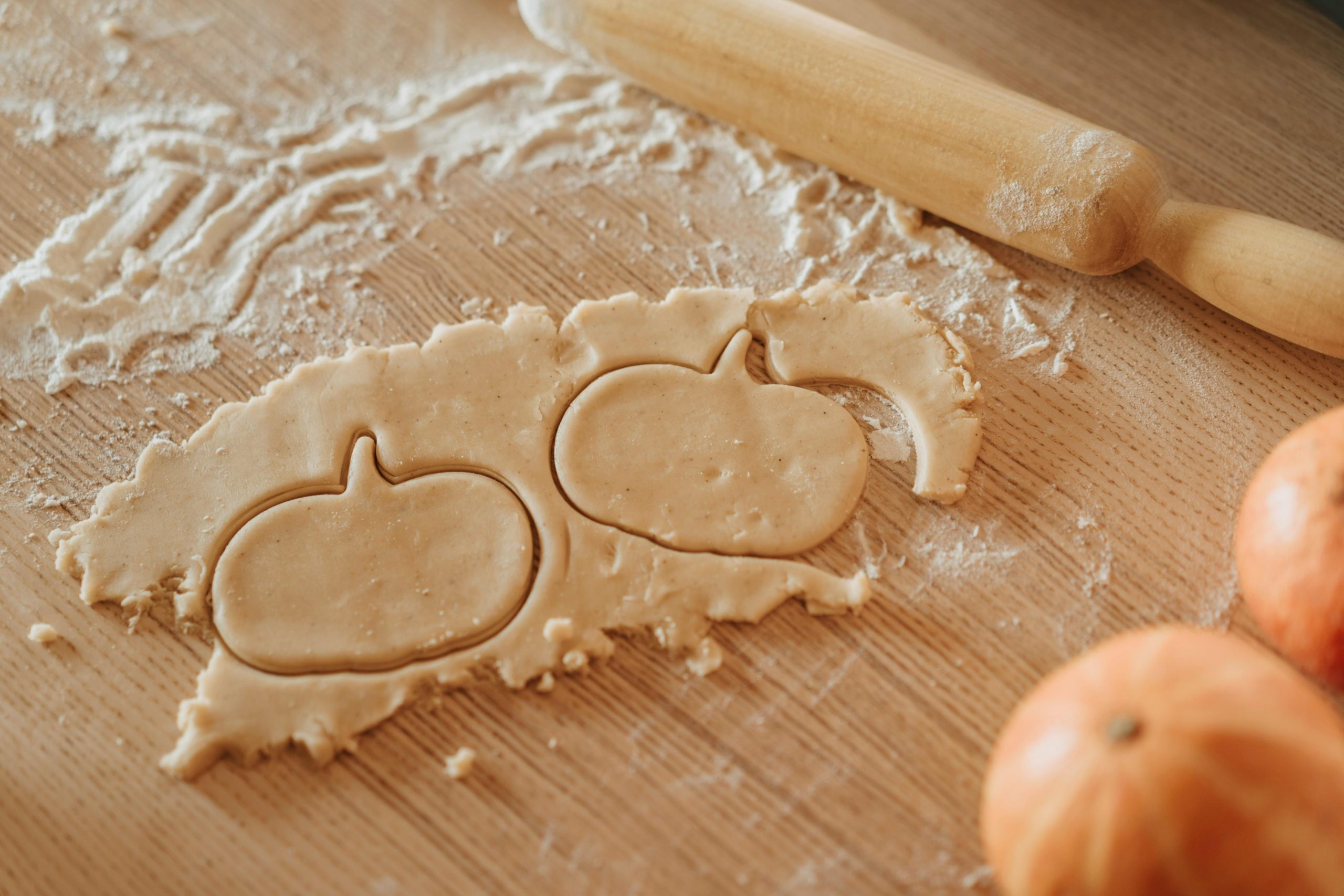
Why Wooden Kitchen Tools Need Special Care
While wooden kitchen tools may seem sturdy and durable, they are actually quite delicate compared to metal or plastic. Wood is a porous material, meaning it easily absorbs moisture. This makes it susceptible to damage from heat, water, and bacteria. Therefore, proper care of wooden kitchen tools is essential to prevent them from warping, cracking, or harboring harmful bacteria.
Moisture Control
The first step in caring for your wooden kitchen tools is to control their exposure to moisture. When wood gets wet, it expands and contracts, which can cause it to warp or crack over time. To prevent this, always hand wash wooden kitchen tools instead of putting them in the dishwasher. After washing, make sure to dry them immediately and thoroughly. You can also prevent water damage by oiling the wood regularly to seal in moisture.
Heat Protection
Another crucial factor in keeping your wooden kitchen tools in top condition is protecting them from heat. Wooden tools are not heat-resistant and can easily get damaged when exposed to high temperatures. Avoid using them for cooking, such as stirring hot food or leaving them near a hot stove. Similarly, do not leave them outside or in direct sunlight for extended periods, as this can cause the wood to dry out and crack.
Proper Cleaning Techniques
Aside from taking precautions to protect your wooden kitchen tools, proper cleaning techniques are equally crucial. It’s essential to clean them thoroughly after every use to prevent any food residue or bacteria from accumulating. The following are some tips to keep your wooden tools clean and safe to use:
Use Mild Detergent
When cleaning your wooden tools, it’s best to use mild soap or detergent. Avoid harsh chemicals or abrasive cleaners, as they can strip the wood of its natural oils and cause damage. You can also use a mixture of vinegar and water or a mild bleach solution for disinfecting.
Dry Properly
After washing, make sure to dry your wooden tools thoroughly. Do not let them air dry, as this can cause warping and mold growth. Instead, use a clean towel to dry them and leave them upright to air dry completely before storing them away.
The Importance of Oiling
As mentioned earlier, wood is a porous material that easily absorbs moisture. To prevent this, it’s important to oil your wooden kitchen tools regularly. The oil will create a protective barrier that seals in moisture and prevents any water or bacteria from penetrating the wood. You can use mineral oil, beeswax, or food-grade oils like coconut or olive oil. Apply a generous amount and let it sit for a few hours before wiping off the excess.
Replacing Old Wooden Tools
Lastly, it’s important to know when to replace your old wooden kitchen tools. While taking care of them can prolong their lifespan, they still have a finite time span. If you notice any cracks, deep grooves, or discoloration, it’s time to replace them. These signs not only affect their appearance but also make them unsafe to use as they can harbor bacteria.
In Conclusion
Wooden kitchen tools add a rustic charm to any kitchen, but they require proper care and maintenance to keep them in pristine condition. By controlling moisture exposure, protecting them from heat, and following proper cleaning techniques, you can ensure your wooden kitchen tools are safe to use and last for years to come. Remember to oil them regularly and replace them when necessary, and you’ll have a well-maintained and functional collection of wooden kitchen tools at your disposal.