
Understanding the Principles of Cinematic Sound Design
Have you ever watched a movie and been completely immersed in the story? The stunning visuals, the compelling acting, and the gripping plot all play a part in keeping us captivated. But there is another element that often goes unnoticed, yet is just as crucial in creating an immersive experience – sound. Specifically, cinematic sound design – the art of creating and manipulating sound to enhance the atmosphere and emotions of a film. In this article, we will delve into the principles of cinematic sound design and how it is used in the world of filmmaking.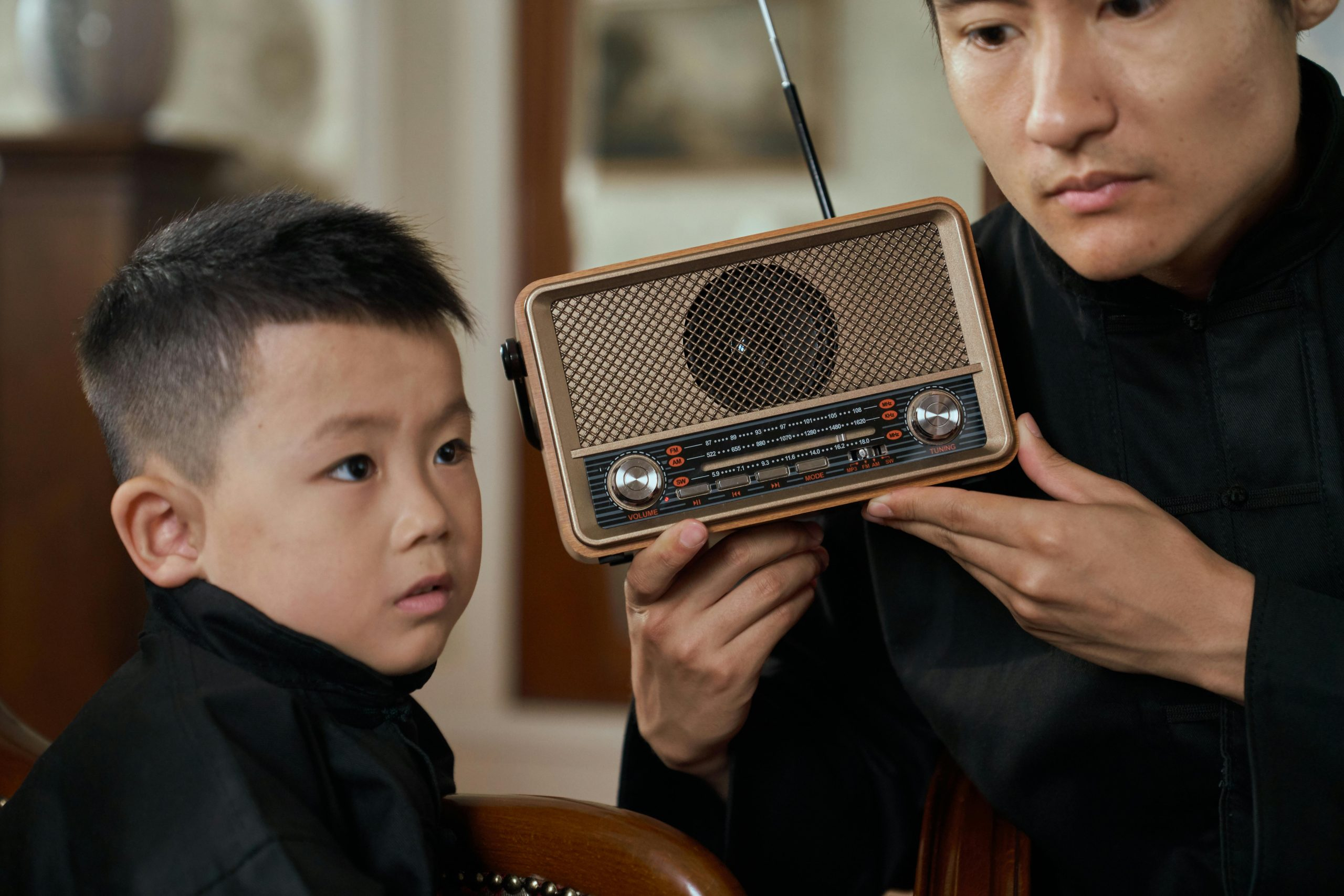
What is Cinematic Sound Design?
Cinematic sound design is the process of creating and manipulating sound for use in films, television, and other visual media. It involves combining different elements such as dialogue, music, and sound effects to create a cohesive soundscape that enhances the overall viewing experience.
Sound design is an essential aspect of the filmmaking process, and it is often a collaborative effort between the director, sound designer, and other members of the post-production team. It encompasses every sound that is heard in a film, from the dialogue and background noise to the music and sound effects.
The Principles of Cinematic Sound Design
1. Creating Realistic Soundscapes
One of the primary objectives of cinematic sound design is to create a soundscape that feels authentic and realistic. This means using various sound techniques to make the environment on screen come to life. For example, a scene set in a bustling city would have different sounds compared to a scene set in a quiet countryside. By employing techniques such as foley recording (creating sound effects through everyday objects) and ADR (re-recording dialogue in a studio), sound designers can enhance the realism of a film.
2. Complementing the Visuals
The sound should always work hand in hand with the visuals to create a harmonious viewing experience. This means choosing the right types of sounds to fit the imagery on screen. For instance, a scary scene would be accompanied by eerie sound effects and tense music, while a romantic scene would have softer and more melodic sound elements. The goal is to create a cohesive soundscape that adds depth and emotion to the visuals.
3. Setting the Mood
Sound is a powerful tool that can evoke emotions and set the tone for a scene. The use of sound in a film can make viewers feel a certain way without them even realizing it. A well-designed soundscape can heighten tension, create a sense of unease, or bring about a feeling of nostalgia. Sound can also help establish the time and place of a story, transporting the audience to a different world.
4. Enhancing the Narrative
Sound can be used to drive the narrative forward and reveal more about the characters and their surroundings. For example, the sound of footsteps can convey someone’s mood or their physical state. A character’s thoughts can also be revealed through the use of voice-overs. By carefully choosing and manipulating different sound elements, sound designers can enhance the story and bring a new layer of meaning to the film.
5. Balancing Sound Levels
The volume and balance of different sound elements play a vital role in creating an immersive experience. Too much or too little of a certain sound can take away from the overall viewing experience. The sound levels should be balanced in such a way that the audience can hear all the essential elements without one overpowering the other. The goal is to create a soundscape that feels natural and balanced, without any distractions.
The Impact of Cinematic Sound Design
Cinematic sound design is a crucial aspect of the filmmaking process, as it has a significant impact on the audience’s overall viewing experience. A well-designed soundscape can make a film more engaging, emotional, and memorable. On the other hand, poor sound design can take away from the visual elements and make the viewing experience less enjoyable.
Sound design also adds an extra layer of creativity and storytelling to a film. It allows filmmakers to convey a character’s emotions and thoughts without using words, making the story more immersive and nuanced.
In Conclusion
Cinematic sound design is an essential aspect of the filmmaking process, yet it often goes unnoticed by the casual moviegoer. It involves creating and manipulating sound elements to enhance the story, mood, and authenticity of a film. By understanding the principles of cinematic sound design, we can better appreciate the role of sound in creating a truly immersive cinematic experience.