
Rethinking Concert Formats: Moving Beyond Traditional Venue Settings
Live music has always been a staple of entertainment and a source of joy for countless individuals around the world. Whether it’s a popular band playing at a sold-out stadium or a local artist serenading a small gathering at a cozy club, there’s something truly special about the energy and atmosphere of a live concert. However, in recent years, there has been a growing trend of rethinking concert formats and moving away from traditional venue settings. The rise of technology and changing consumer preferences have sparked a new wave of creativity and innovation in the music industry. In this article, we will delve into this shift and explore how it is redefining the way we experience live music.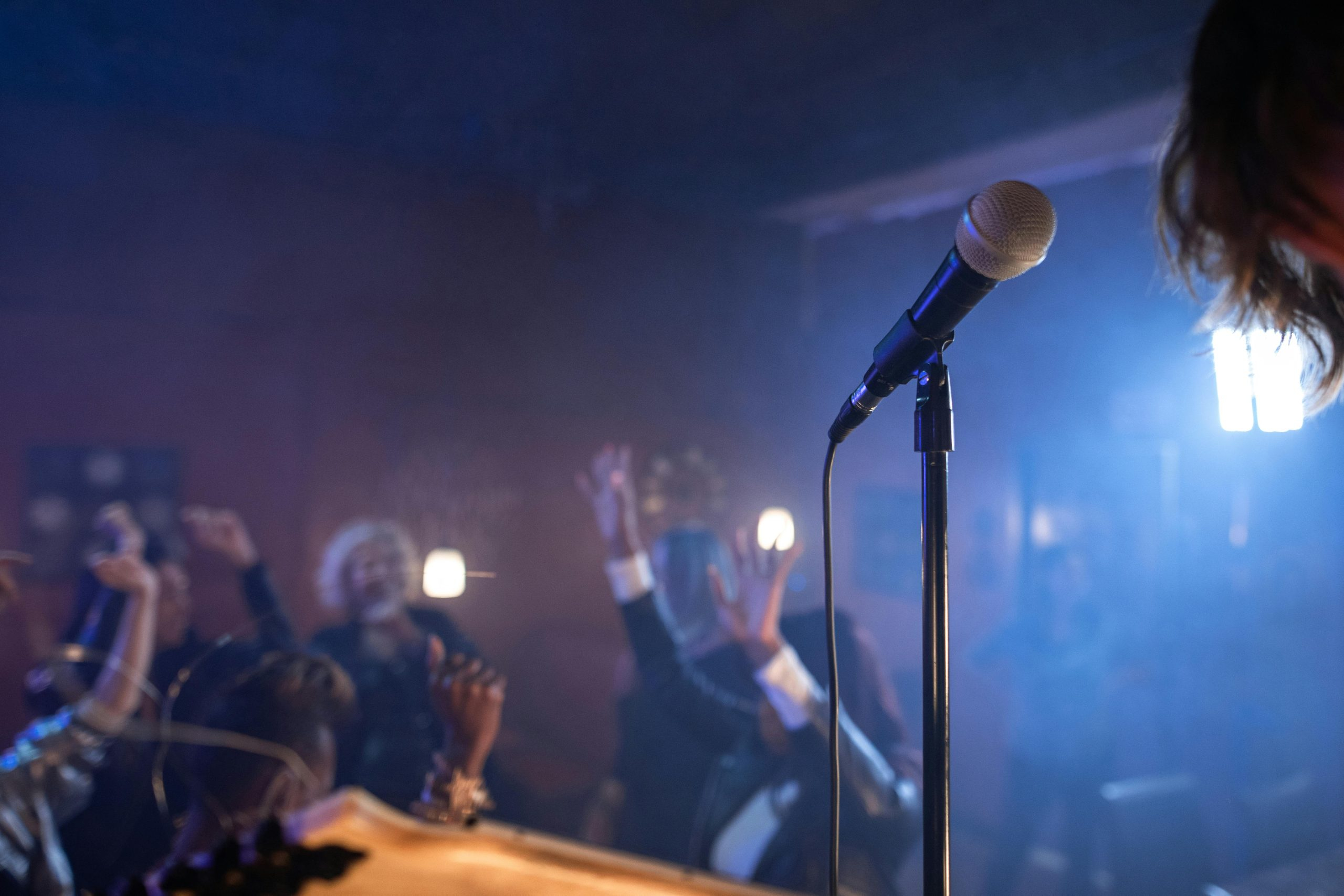
The Traditional Concert Experience
For many years, going to a concert meant buying tickets, dressing up, and heading to a designated venue. This format has been the norm for decades, and while it’s undoubtedly a tried and tested model, it does have certain limitations. Not only do traditional concerts come with a hefty price tag, but they also require fans to commit to a specific time and location, which may not always align with their schedules.
Moreover, traditional concert venues often have limited capacities, meaning not everyone who wants to attend can get a ticket. This has led to the creation of a secondary market for tickets, with scalpers selling them at inflated prices. Additionally, the venue itself can play a significant role in the concert experience. Depending on the size and layout, some venues may not offer the best acoustics or visibility for all attendees.
The Rise of Non-Traditional Concert Formats
As technology has advanced and consumer preferences have shifted, the music industry has responded by exploring new ways to present live music. One of the most significant changes is the move towards non-traditional concert formats that break away from the conventional venue model.
Pop-up Concerts
Pop-up concerts are a relatively recent trend that has seen artists perform in non-traditional spaces, such as train stations, parking lots, or even people’s homes. These impromptu shows often have a surprise element, with the venue and time being announced only a few hours beforehand, making it an exclusive and exciting experience for fans. Pop-up concerts are also typically more intimate and allow artists to connect with their audience on a more personal level.
Virtual Concerts
With the rise of virtual reality and streaming platforms, the concept of attending a concert from the comfort of one’s home has become a reality. Virtual concerts allow artists to reach a global audience without having to travel, making it a cost-effective and convenient option for both fans and performers. These concerts often offer a more immersive experience, with viewers being able to choose their vantage point and interact with other attendees in real-time.
Single Artist Festivals
Traditionally, music festivals have featured multiple artists and bands performing on multiple stages over a few days. However, a new trend has emerged, where a single artist takes over an entire festival for a day or two. This format allows fans to experience their favorite artist in a more concentrated and focused manner, with no clashes or conflicts between sets. It also gives artists more control and freedom over their performances and stage production.
The Impact on the Industry
The shift towards non-traditional concert formats has had a significant impact on the music industry. For one, it has opened up new revenue streams for artists and event organizers by providing alternative ways to monetize their performances. It has also allowed for more diversity and flexibility in the types of concerts offered, catering to different tastes and preferences amongst audiences.
Furthermore, these non-traditional formats have enabled smaller, independent artists to reach a wider audience and establish a fan base without the need for extensive touring or label support. This has helped level the playing field and promote diversity in the music industry.
The Future of Live Music
It’s safe to say that the traditional concert format is not going away anytime soon, but the rise of non-traditional formats has certainly opened up new possibilities for the future of live music. As technology continues to advance, the boundaries of what is possible in terms of concert experiences will only expand further. We can expect to see more experimentation, creativity, and innovation in the coming years, as the music industry continues to evolve and adapt to changing consumer preferences.
In conclusion, the shift towards non-traditional concert formats is an exciting development that is bringing a fresh perspective to the live music scene. It offers fans more options, accessibility, and a more personalized experience, while also providing new opportunities for artists and industry professionals. As we continue to rethink concert formats, we can look forward to a future of live music that is more diverse, inclusive, and memorable than ever before.