
The Impact of Consumer Electronics on Automotive Infotainment Design

The automotive industry has been revolutionized by advancements in consumer electronics. From navigation systems to infotainment systems, consumer electronics have become an integral part of modern vehicles. Automotive infotainment design has seen a major shift in recent years, with the incorporation of cutting-edge technology and the influence of consumer electronics. In this article, we will explore the impact of consumer electronics on automotive infotainment design and how it has transformed the driving experience for consumers.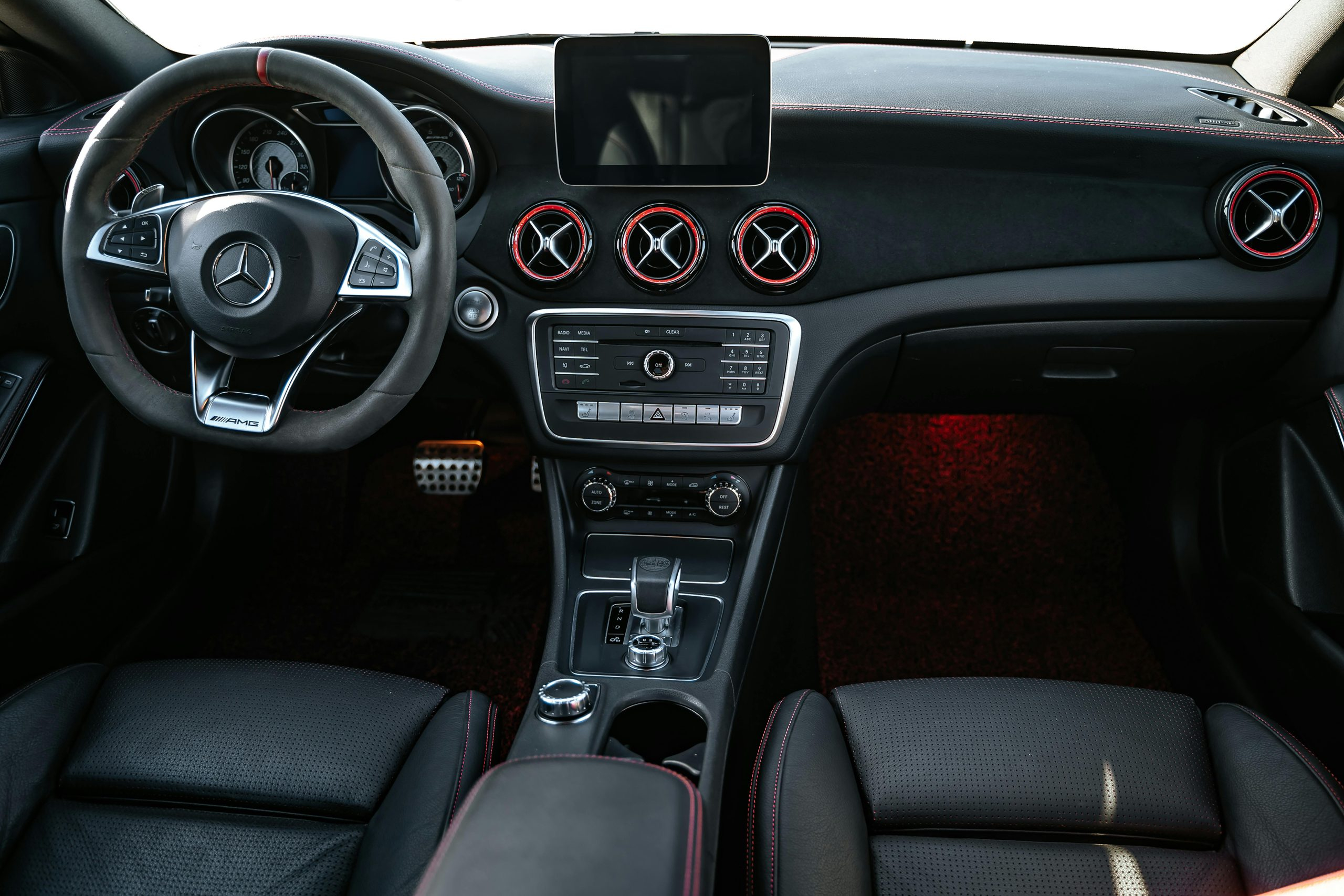
The Evolution of Infotainment Design
Infotainment systems have come a long way since the first car radio was introduced in the 1930s. In the past, basic audio systems and, later on, CD players were considered to be the norm for vehicle infotainment. However, with the rise of smartphones and other portable electronic devices, consumer expectations for in-car entertainment and connectivity have changed drastically.
The integration of consumer electronics into automotive infotainment design has become increasingly important in catering to the needs and expectations of modern-day drivers. No longer satisfied with just playing CDs or listening to the radio, drivers now expect a seamless and multifunctional infotainment system that offers connectivity, entertainment, and navigation.
The Influence of Smartphones
The rise of smartphones has had a significant impact on the design of automotive infotainment systems. With the majority of people now relying on their smartphones for communication, entertainment, and navigation, it only made sense for car manufacturers to integrate this technology into their vehicles.
Smartphone connectivity has given drivers access to a wide range of features through their infotainment system, such as hands-free calling, music streaming, and even mobile apps. This has not only enhanced the driving experience but has also made it safer by reducing distractions while on the road.
The popularity of ride-sharing services like Uber and Lyft has also influenced infotainment design, as more people are using their smartphones to request rides and navigate to their destinations. This has led to the integration of mobile apps and voice recognition technology into infotainment systems, further blurring the lines between consumer electronics and automotive design.
The Rise of Voice Recognition Technology
The incorporation of voice recognition technology has been a game-changer for automotive infotainment design. With the rise of virtual assistants like Amazon’s Alexa and Apple’s Siri, voice recognition has become more sophisticated and accurate, allowing drivers to easily control their infotainment system with simple voice commands.
This technology has not only improved the user experience, but it has also made it safer for drivers to access information and control their infotainment system while on the road. This is especially important as distracted driving continues to be a major concern on our roads.
The Future of Automotive Infotainment Design
The influence of consumer electronics on automotive infotainment design shows no signs of slowing down. With the ever-changing landscape of technology, we can expect to see even more advancements and integrations in the near future. Some of the upcoming trends in infotainment design include the integration of augmented reality, improved voice recognition, and even autonomous driving features.
Automakers are also exploring ways to integrate biometric technology into infotainment systems, allowing for personalized settings and features based on the driver’s preferences. This would further enhance the driving experience and make it more convenient for drivers to access their infotainment system.
The Need for Collaboration
As the lines between consumer electronics and automotive design continue to blur, collaboration between car manufacturers and tech companies will be crucial in creating seamless and innovative infotainment systems. By working together, they can ensure that the technology used in cars is up-to-date and meets the changing needs and expectations of consumers.
Conclusion
In conclusion, the impact of consumer electronics on automotive infotainment design has been significant. From the influence of smartphones to the integration of voice recognition technology, consumer expectations have greatly shaped the evolution of infotainment systems in vehicles. As we look towards the future, we can expect to see even more advancements and integrations, making the driving experience more convenient, safe, and enjoyable for all.