The Evolution of Office Space Design for Post-Pandemic Workplaces
With the COVID-19 pandemic forcing companies to quickly adapt to remote work, the future of office spaces has become a topic of widespread debate. As more and more employees are returning to the workplace, businesses are faced with the challenge of creating a safe and functional environment that will support both in-person and remote work. This has led to a rapid evolution in office space design, with a strong focus on post-pandemic needs. In this article, we will take a closer look at how office space design is evolving in the face of the pandemic and what this means for the future of work.
The Rise of Hybrid Work
The pandemic has brought about a fundamental shift in the way we work. With the forced move to remote work, many companies have discovered that their employees can be just as productive, if not more, when working from home. This has led to a rise in the concept of hybrid work, where employees have the flexibility to work from both the office and home. This shift has significant implications for office space design, as the traditional open-plan office may no longer be the most suitable option.
Flexibility and Adaptability
The focus of office space design now lies in creating a flexible and adaptable environment that can cater to the changing needs of employees. This means incorporating a variety of work areas, such as hot desks, collaboration spaces, and private rooms, to support different work styles and activities. With employees spending less time in the office, the design needs to allow for easy reconfiguration and adaptability to ensure maximum efficiency.
Health and Safety
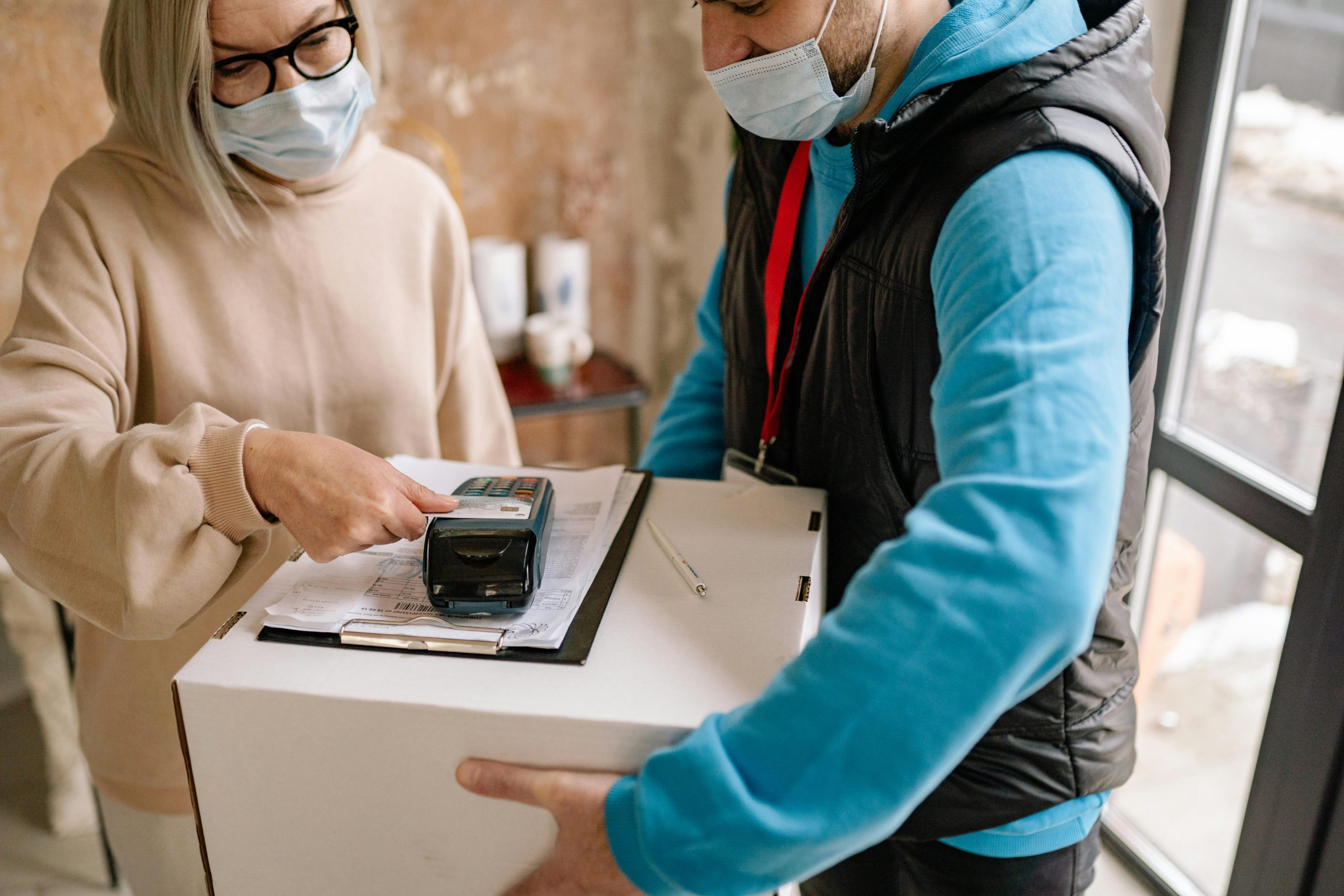
As we continue to navigate through the pandemic, health and safety have become top priorities in office space design. Companies are implementing social distancing measures, such as reducing the number of people in the office, creating physical barriers between workstations, and implementing one-way traffic flows. In addition, technologies like touchless entry systems, temperature scanning, and air filtration systems are being incorporated to ensure a safe and healthy workplace for employees.
The Shift to Decentralized Workspaces
One of the most significant changes in office space design post-pandemic is the shift towards decentralized workspaces. This trend has been accelerated by the rise in hybrid work and the need for employees to have a choice in how and where they work. Companies are now rethinking the traditional office model and are embracing satellite offices, coworking spaces, and even home offices to provide their employees with a variety of options.
Embracing the Outdoors
With the need to maintain social distancing, many companies are turning to outdoor spaces as an extension of the office. From rooftop gardens to outdoor meeting areas, incorporating nature into office space design has several benefits. Not only does it provide employees with a change of scenery and fresh air, but it can also improve productivity, reduce stress, and boost creativity.
Creating a Strong Company Culture
The move towards decentralized workspaces has also made it more challenging to maintain a strong company culture. Designers are now looking for ways to incorporate elements of a company’s culture into remote and hybrid work environments. This can include branding, visual identity, and creating a sense of community through virtual team building activities.
The Future of Office Space Design
The pandemic has undoubtedly brought about a significant shift in office space design. However, it is important to note that this evolution was already underway, and the pandemic has only accelerated it. The future of office space design will continue to revolve around flexibility, adaptability, and a strong focus on employee health and well-being. As companies embrace hybrid work and decentralized workspaces, the traditional office may become a thing of the past, and the office of the future will be a dynamic and ever-changing environment.
Overall, the pandemic has forced companies to rethink and redesign their office spaces to meet the changing needs of their employees. This shift towards a more flexible, adaptable, and decentralized workplace has not only created a safer and healthier environment but has also paved the way for a future where employees have more choice and control over how and where they work. As we continue to adapt to this new normal, office space design will undoubtedly continue to evolve, and the possibilities are endless.