
Developing an Appreciation for Non-Western Music Traditions
Music is a universal language that transcends cultural boundaries and connects people from all corners of the world. While Western music has dominated the global industry for decades, there is a rich and diverse world of non-Western music waiting to be explored and appreciated. Developing an appreciation for non-Western music traditions not only broadens our musical horizons but also allows us to immerse ourselves in different cultures and understand them on a deeper level. In this article, we will delve into the beauty and significance of non-Western music and explore ways to develop a greater appreciation for these traditions.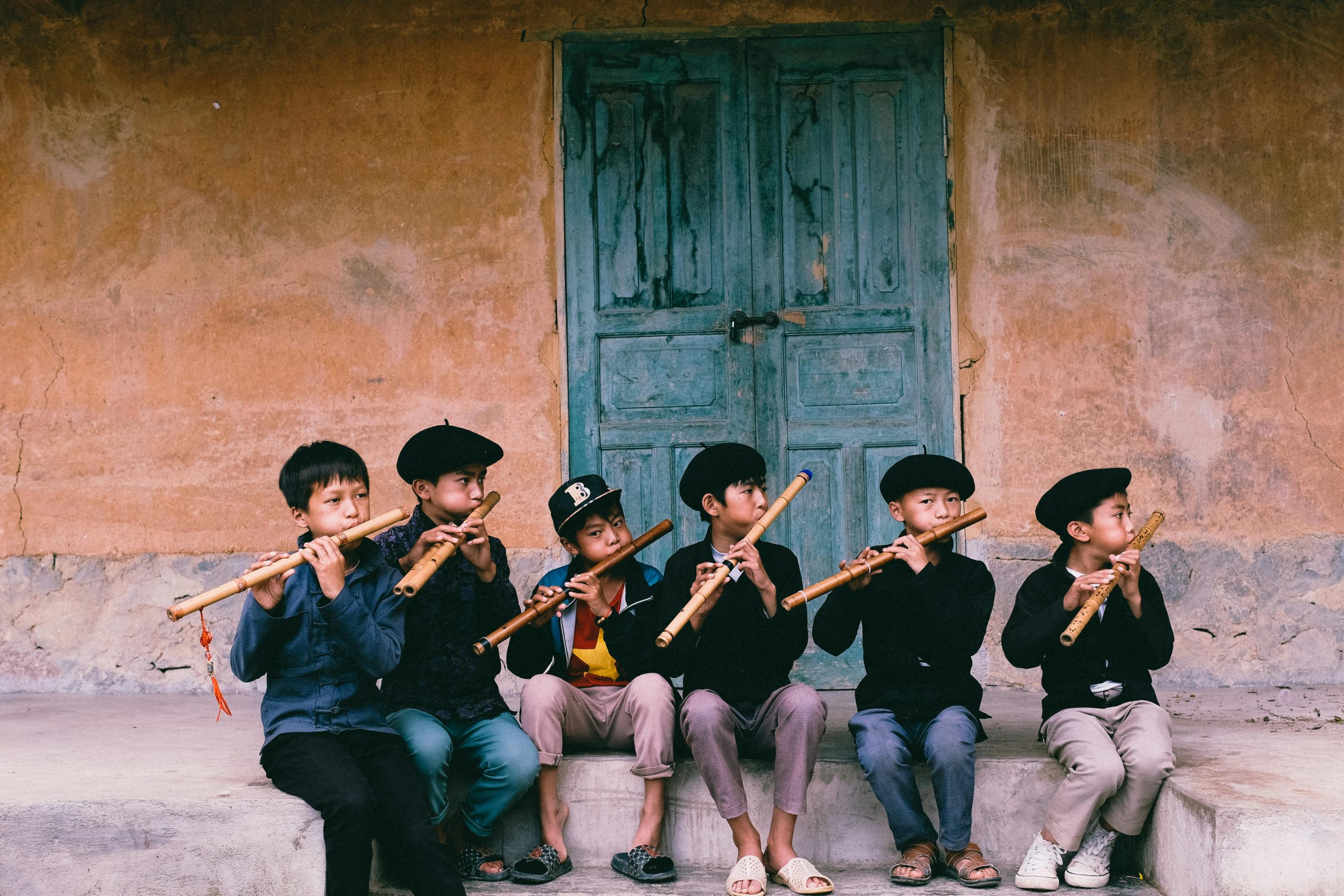
The Richness of Non-Western Music Traditions
Non-Western music refers to the musical styles and traditions of cultures outside of Europe and North America. These traditions vary greatly from region to region, with each having its own unique characteristics and history. For instance, the intricate melodies of Indian classical music, the infectious rhythms of African drumming, and the haunting vocals of Middle Eastern music are just a few examples of the diverse and vibrant non-Western music traditions.
The Significance of Non-Western Music
Music has always played a significant role in non-Western cultures, with many traditions rooted in spirituality, rituals, and community. Unlike Western music which is often focused on the individual, non-Western music is deeply connected to the collective and is used as a means of communication, celebration, and connection with the divine. As a result, many non-Western music traditions have been passed down through generations and hold immense cultural and historical value.
The Challenges of Appreciating Non-Western Music
Despite the beauty and significance of non-Western music, there are often barriers to fully appreciating these traditions. The unfamiliarity of the music, cultural differences, and lack of exposure can make it challenging to understand and connect with non-Western music. Additionally, ethnocentric attitudes and the Western-centric dominance in the global music industry can also lead to the dismissal or undervaluing of non-Western music.
Ways to Develop an Appreciation for Non-Western Music Traditions
Learn About the History and Context
To truly appreciate non-Western music, it is essential to understand the history and cultural context in which it exists. Explore the origins of the music, the instruments used, and how it is performed and why. This will not only deepen your understanding but also help you connect with the music on a more personal level.
Engage with the Music
One of the best ways to develop an appreciation for non-Western music is to actively engage with it. Attend concerts, workshops, or festivals featuring non-Western music and immerse yourself in the rhythms, melodies, and lyrics. Try to participate in the music-making process, whether it be through clapping, singing, or playing an instrument. This will help you feel more connected and involved with the music.
Be Open to New Sounds
Non-Western music can often sound unfamiliar and even strange to Western ears. However, it is essential to approach it with an open mind and be willing to embrace new sounds and rhythms. Allow yourself to be taken on a musical journey and experience the beauty and complexity of non-Western music without comparing it to Western standards.
Support Non-Western Artists
One way to show your appreciation for non-Western music is to support and uplift non-Western artists. Attend their concerts, purchase their music, or share their work on social media. This not only helps these artists gain recognition but also promotes diversity and inclusivity in the music industry.
In Conclusion
Developing an appreciation for non-Western music traditions goes beyond just listening to the music. It requires open-mindedness, education, and active engagement. By exploring the richness and significance of non-Western music, we not only expand our musical horizons but also gain a deeper understanding and respect for different cultures. So, let us embrace the beauty of non-Western music and celebrate its diversity and richness.