
Agricultural Science Careers: Feeding the Growing World
Agricultural science is a vital field that plays a crucial role in feeding the world’s growing population. With the global population projected to reach 9.7 billion by 2050, the demand for food will only continue to rise. As such, there is a growing need for professionals in the field of agricultural science who can develop innovative and sustainable ways to increase food production. In this article, we will explore the various career paths in agricultural science and how they contribute to feeding the growing world.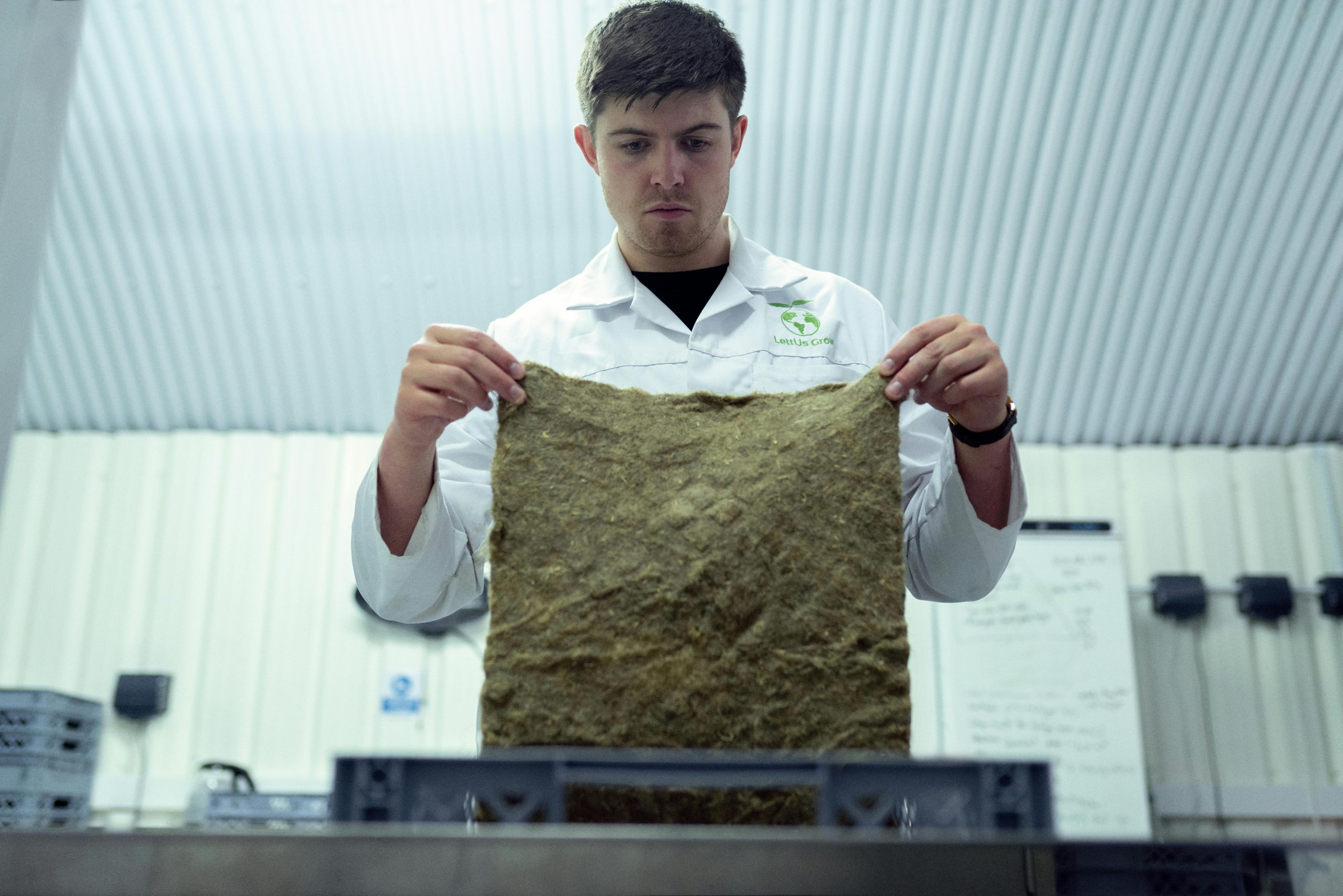
The Importance of Agricultural Science in Feeding the World
Agricultural science is a multidisciplinary field that combines principles of biology, chemistry, and economics to study how to improve and sustain agricultural practices. Without these advancements, it would be impossible to feed the world’s population. Agricultural science plays a significant role in increasing crop yields, improving livestock health, developing sustainable farming practices, and ensuring food safety. As such, it is a critical component of global food security.
Career Options in Agricultural Science
Agronomist
Agronomists study the science of plants and soil to improve agricultural productivity. They use their knowledge of soil and plant biology to help farmers grow crops more efficiently. By studying soil samples and analyzing data, agronomists can determine the best crops to grow in a specific area, as well as the optimum planting and harvesting times. They also advise farmers on the use of fertilizers, pesticides, and irrigation systems to increase crop yields and protect the environment.
Food Scientist
Food scientists play a crucial role in ensuring food safety and developing innovative food products. They use their understanding of food chemistry, microbiology, and nutrition to develop new food products and improve existing ones. Food scientists also work to develop new methods of food preservation and packaging, which is especially important in today’s global food market. They also conduct research on food-borne illnesses and work to prevent outbreaks.
Agricultural Engineer
Agricultural engineers use their knowledge of engineering principles to solve problems related to agriculture. They design and develop farm machinery and equipment, such as tractors, harvesters, and irrigation systems. Agricultural engineers also work to improve farming techniques by designing and implementing sustainable farming methods. They are essential in helping farmers grow more food while minimizing their impact on the environment.
Livestock Manager
Livestock managers oversee the care and well-being of farm animals, such as cattle, pigs, and poultry. They ensure that the animals are healthy and well-nourished, monitor their living conditions, and develop appropriate feeding plans. Livestock managers also play a vital role in keeping animals safe from diseases and implementing biosecurity measures. They may also be responsible for managing the breeding and genetics of the animals under their care to improve their productivity.
Agricultural Economist
Agricultural economists use their knowledge of economics to study the production and distribution of agricultural products. They analyze data related to the demand and supply of agricultural goods and make forecasts about future trends. Agricultural economists also advise policymakers and businesses on strategies to improve the efficiency and sustainability of agriculture. They play a crucial role in ensuring that the agricultural industry continues to meet the ever-increasing demand for food.
The Future of Agricultural Science Careers
Rapid advances in technology and changes in consumer trends are driving the need for innovation in the agricultural industry. As such, there is a growing demand for professionals in agricultural science who can develop and implement new and sustainable methods of food production. With the increasing use of precision agriculture, gene editing, and data analysis, the future of agricultural science careers is full of exciting possibilities. As our world continues to grow, the need for skilled professionals in the field of agricultural science will only continue to increase.
Conclusion
Agricultural science careers play a crucial role in feeding the growing world. From improving crop yields to developing sustainable farming methods, professionals in this field are at the forefront of ensuring global food security. As technology continues to advance, the opportunities for careers in agricultural science will only continue to grow. By pursuing a career in agricultural science, you could make a significant contribution to feeding the world’s ever-growing population. So, if you have a passion for agriculture and a desire to make a difference, consider a career in agricultural science.