
Technical Training Roles: Educating the Workforce on New Tools
In today’s fast-paced technological world, the need for skilled and knowledgeable individuals in the workforce is constantly increasing. With the rapid advancement of tools and technologies, it is imperative for organizations to invest in technical training to ensure their employees are equipped with the necessary skills to adapt to these changes. This is where technical training roles come into play – these professionals have a pivotal role in educating the workforce on new tools, enabling them to enhance their productivity and efficiency. In this article, we will delve into the importance of technical training roles and how they play a critical role in educating the workforce on new tools.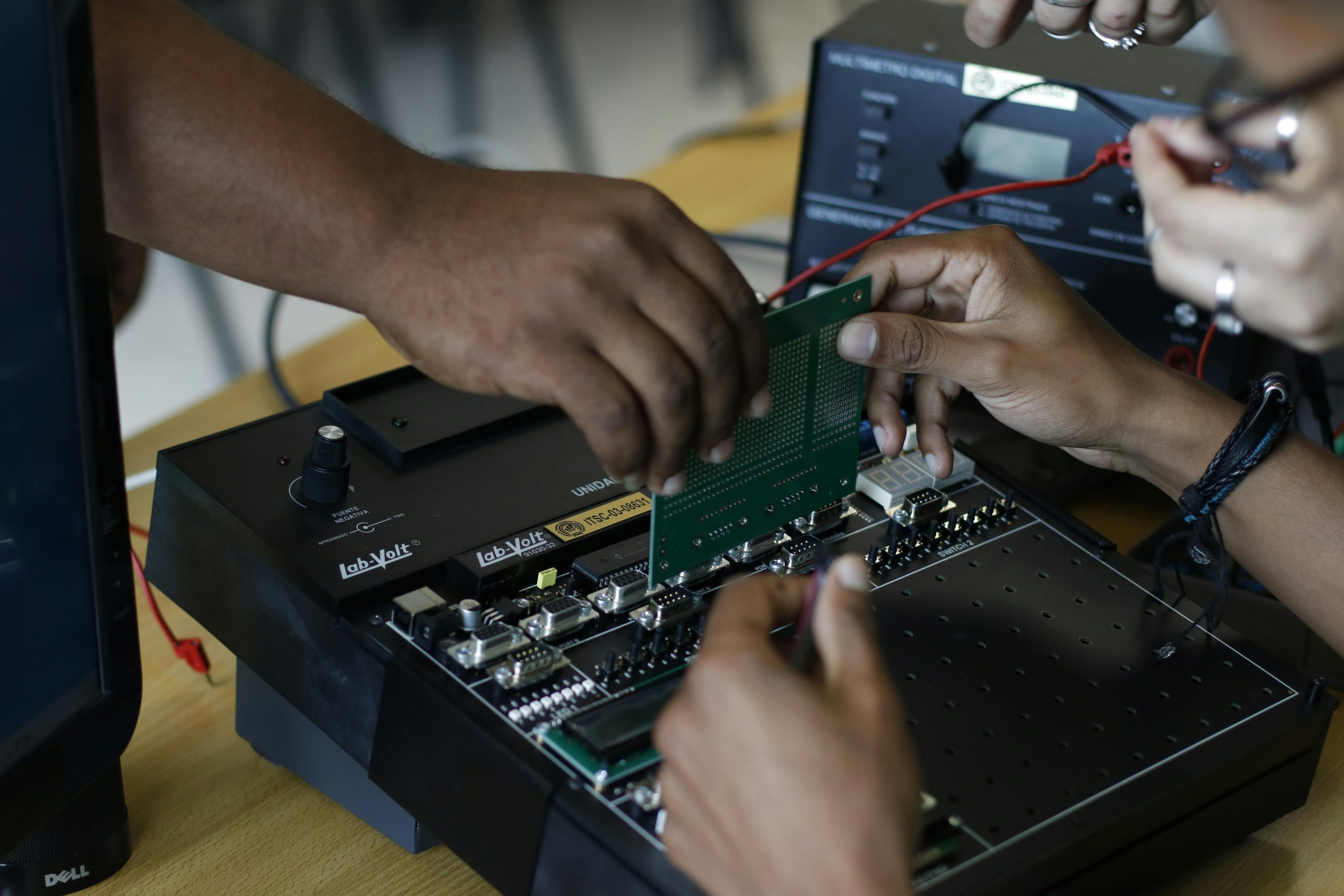
The Role of Technical Training in the Workplace
Technical training encompasses the process of teaching employees the necessary skills and knowledge to effectively perform their job tasks. This training is designed to ensure employees understand and are proficient in the usage of specific tools, technologies, or processes. The main objective of technical training is to bridge the gap between the required skillset and the current skills held by employees, thereby improving their performance and productivity.
With the constant introduction of new tools and technologies, technical training becomes a crucial element in any organization’s success. It not only equips employees with the needed skills but also helps them stay updated and relevant in their roles. Technical training also boosts employee confidence and motivation, as they are able to perform their tasks with ease and efficiency.
Technical Training Roles Explained
Technical training roles mainly involve two key positions – technical trainer and training manager. A technical trainer is responsible for conducting training sessions, creating training materials, and evaluating the effectiveness of the training provided. They are also responsible for identifying the training needs of employees and developing training programs to address those needs.
A training manager, on the other hand, has a more strategic role and is responsible for overseeing the overall training program. They work closely with other departments to identify the training needs of the organization and develop long-term training plans. They also ensure that the training programs align with the organization’s goals and objectives.
The Importance of Educating the Workforce on New Tools
In today’s rapidly evolving technological landscape, it is crucial for organizations to keep their employees up-to-date with the latest tools and technologies. This not only ensures that employees are well-equipped to perform their jobs efficiently but also keeps the organization competitive in the market. Educating the workforce on new tools also promotes a culture of continuous learning and development within the organization.
By investing in technical training, organizations benefit in many ways. It not only improves employee performance and productivity but also leads to higher job satisfaction and retention rates. It also creates a pool of skilled and knowledgeable employees, enabling the organization to stay ahead of the competition.
Best Practices for Technical Training
When it comes to technical training, there are certain best practices organizations should follow to ensure its success:
1. Identify the Training Needs
Before embarking on a training program, it is essential to assess the current skillset of employees and identify the areas that require improvement. This evaluation will help in designing a targeted training program that addresses the specific needs of employees.
2. Create Engaging and Interactive Training Materials
Training materials should be interactive, engaging, and easy to understand. This will ensure that employees are actively involved in the learning process and retain the information better.
3. Use a Variety of Training Methods
To cater to the different learning styles of employees, it is important to use a mix of training methods such as hands-on training, online courses, workshops, and seminars. This will not only keep employees engaged but also make the training more effective.
4. Encourage Feedback and Evaluation
Feedback and evaluation are crucial to ensure the effectiveness of the training program. Encourage employees to provide feedback on the training, identify areas of improvement, and evaluate if the training aligned with their learning objectives.
Final Thoughts
In today’s ever-changing business landscape, technical training roles are crucial in educating the workforce on new tools and technologies. Organizations that invest in technical training reap numerous benefits, from improved employee performance to increased competitiveness. By following best practices and continuously updating the training curriculum, organizations can ensure that their employees are equipped with the necessary skills to thrive in the fast-paced digital world. With technical training roles playing a pivotal role, organizations can stay ahead of the curve and achieve success.