
The Story of the Assembly Line: Henry Ford and Mass Production

When discussing the history of mass production, it would be remiss not to mention the groundbreaking contributions of Henry Ford. Ford’s innovative approach to manufacturing revolutionized the industry and paved the way for modern assembly line production. His story is one of perseverance, innovation, and determination – a true American success story. In this article, we will delve into the story of the assembly line and how Henry Ford’s ideas forever changed the way goods are produced and distributed.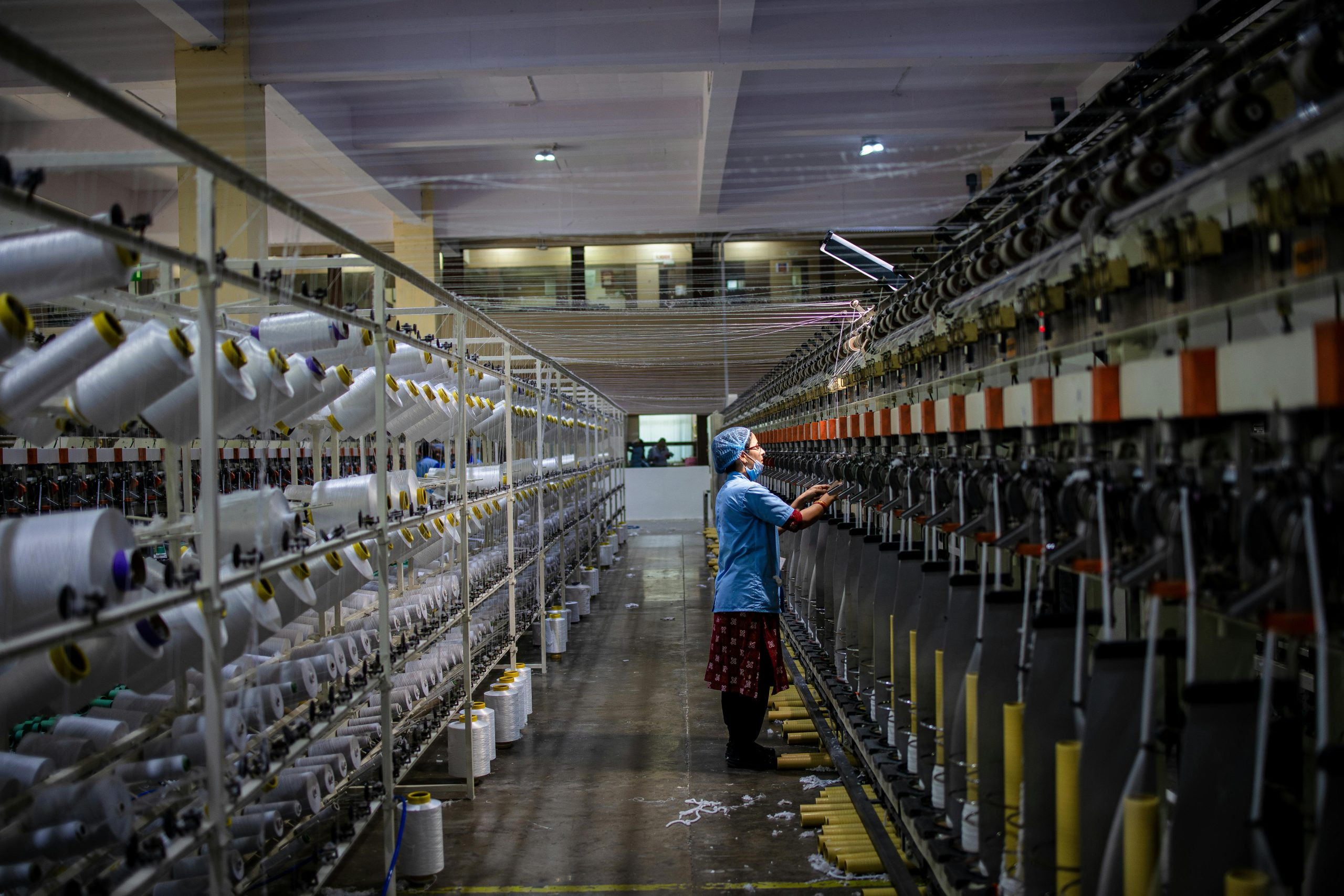
The Rise of Henry Ford and the Birth of the Assembly Line
Henry Ford was born in 1863 on a farm in Michigan. Despite having little formal education, Ford was always curious and had a keen interest in engineering and mechanics. After working at various manufacturing jobs, he landed a job at the Edison Illuminating Company, where his inquisitive nature and aptitude for mechanics caught the attention of his employers. This led to a promotion and eventually, Ford left the company to pursue his passion for cars.
In 1903, Ford founded the Ford Motor Company, with the goal of creating an automobile that was affordable to the average person. At this time, cars were considered a luxury item, and only the wealthy could afford them. Ford’s vision was to make the automobile accessible to everyone, not just the elite. His first car, the Model A, was a hit, but Ford had bigger dreams. He wanted to create a car that could be mass-produced at a low cost, and the assembly line was the key to achieving this.
The Early Days of the Assembly Line
Early Experiments with the Assembly Line
As Ford’s business grew, so did his determination to create a more efficient production process. In 1908, Ford and his team built a small assembly line for the Model T, which allowed them to produce more cars in less time. However, this process still relied heavily on manual labor, and the workers had to move around the factory to complete their tasks. Ford knew there had to be a better way, and he continued to experiment with different methods.
The Moving Assembly Line
In 1913, Ford introduced the moving assembly line, and it revolutionized the manufacturing process. This groundbreaking idea involved installing a conveyor belt that moved the car through the factory, with workers stationed at various points along the line, each responsible for a specific task. This allowed for a continuous flow of production and drastically reduced the time it took to produce a car.
The moving assembly line also allowed for specialization, with workers only trained in one specific task, which further increased efficiency. By using this method, Ford was able to produce a car in less than 3 hours, a process that would have previously taken around 12 hours.
The Impact of the Assembly Line on Society and the Economy
Ford’s implementation of the assembly line not only transformed the manufacturing industry but also had a significant impact on society and the economy. This new production process drastically reduced the cost of the Model T, making it more affordable for the average person. This led to a surge in demand for the car and helped contribute to the growth of the middle class.
The assembly line also had a considerable impact on workers and the labor force. While it increased efficiency, it also made work more monotonous and physically demanding. This led to an increase in worker turnover, and Ford was forced to raise wages to attract and retain workers, setting a precedent for fair wages and workers’ rights.
Moreover, the success of the assembly line inspired other industries to adopt similar methods, leading to a more efficient and cost-effective production process across various sectors.
The Legacy of Henry Ford and the Assembly Line
The assembly line forever changed the way goods are manufactured, and Ford’s contribution to this innovation cannot be overstated. His dedication to efficiency, coupled with his vision of creating a product that was accessible to the masses, revolutionized the industry and paved the way for modern manufacturing. The assembly line continues to be the backbone of production in various industries, and its impact on society and the economy is undeniable.
Conclusion
In conclusion, the story of the assembly line and its impact on mass production is one that cannot be separated from the name of Henry Ford. His innovative approach to manufacturing changed the game and continues to shape the industry today. Ford’s legacy serves as an inspiration for future generations of entrepreneurs and serves as a testament to the power of perseverance and determination in achieving success.