
The Future of Work: Navigating Automation and AI Reshaping Careers
The advancement of technology has completely transformed the way we work and conduct business, and it shows no signs of slowing down. Automation and artificial intelligence (AI) have been dominating the conversation surrounding the future of work, with both exciting and concerning implications. As technologies continue to evolve and become more integrated into the workforce, it is important for individuals to understand the potential effects on their careers. In this article, we will delve into the topic of the future of work and explore the ways in which automation and AI are reshaping careers.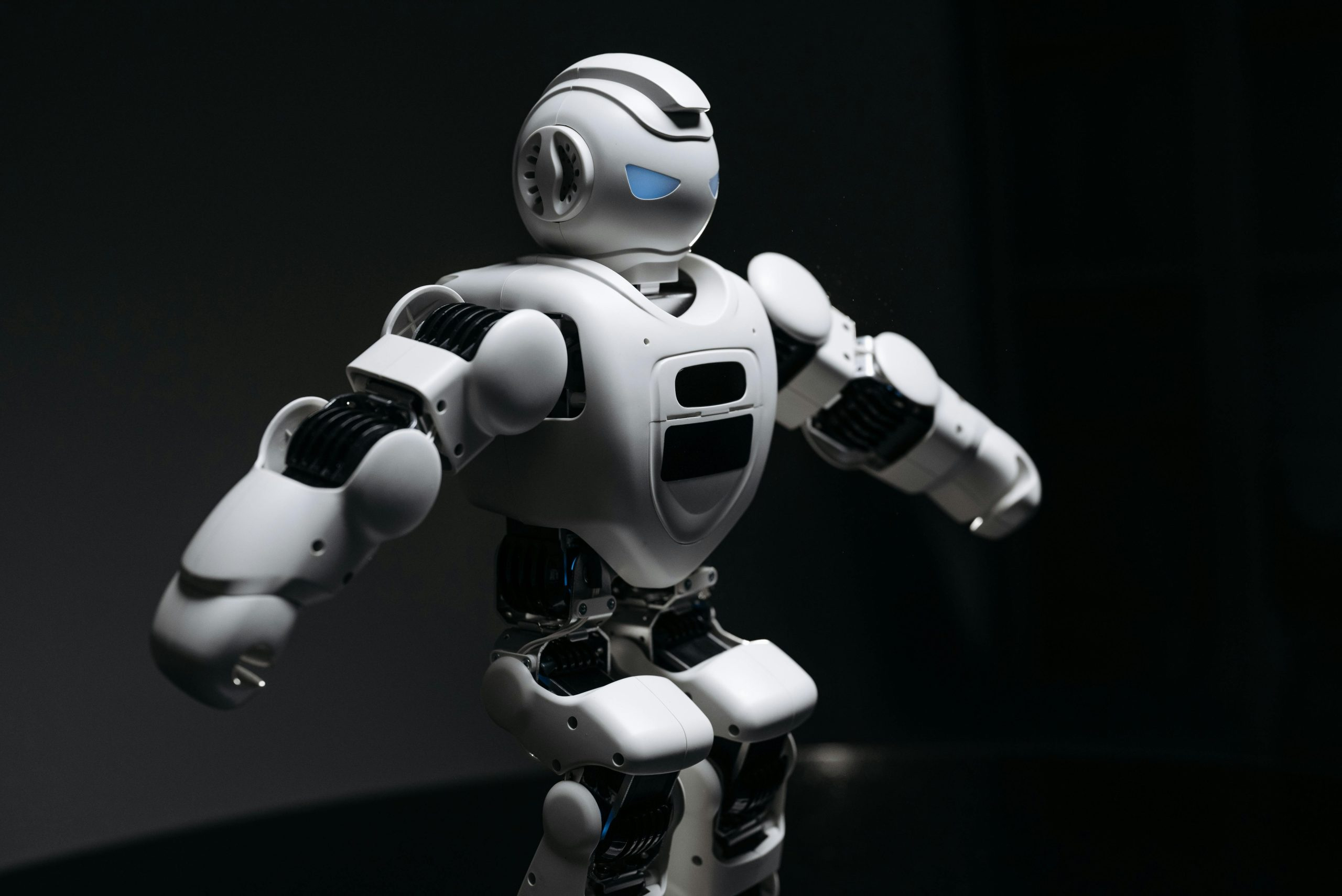
What is Automation and AI?
Before we dive into the effects of automation and AI on the future of work, it is important to first define these terms. Automation refers to the use of technology to perform tasks traditionally done by humans, while AI involves machines or software systems that possess human-like intelligence, such as the ability to learn, adapt, and make decisions.
These technologies have already made a significant impact in various industries, from manufacturing to customer service. With automation and AI, tasks can be completed faster, more accurately, and at a lower cost. As a result, companies are increasingly adopting these technologies to improve efficiency and productivity.
The Pros and Cons of Automation and AI
There is no denying the benefits of automation and AI in the workforce. The increased efficiency and productivity can save companies time and money, ultimately leading to higher profits. These technologies can also take on repetitive and mundane tasks, freeing up employees’ time for more creative and innovative work.
However, there are also concerns about automation and AI leading to job displacement. As machines and software become more advanced, more jobs become automated, leaving workers unsure about the future of their careers.
Adaptability is Key
While it is true that automation and AI may replace some jobs, they also create new ones. For example, the rise of e-commerce has led to a higher demand for jobs related to digital marketing and online sales. This highlights the importance of adaptability in the face of technological advancements.
In order to stay relevant and valuable in the workforce of the future, individuals must embrace a continuous learning mindset and be open to developing new skills. This may involve taking online courses or attending workshops to stay updated with the latest technologies and how they can be integrated into their work.
Collaboration between Humans and Machines
While there are concerns about machines replacing human workers completely, experts believe that the future of work will involve a hybrid workforce, where humans and machines collaborate. By harnessing the strengths of both, companies can achieve even greater levels of productivity and efficiency.
For example, in the healthcare industry, AI can assist in diagnosing patients, but it takes a human doctor to provide personalized care and make decisions based on compassion and empathy. Similarly, humans can oversee and manage the functions of automated machines to ensure accuracy and quality control.
The Role of Soft Skills
With the rise of automation and AI, there has been a greater emphasis on the value of soft skills in the workplace. While machines can handle technical tasks, they lack the ability to empathize, communicate, and build relationships – all essential skills for a successful career.
In the future, employers will look for individuals who possess a mix of both technical and soft skills. So, even as technology continues to advance, it is vital for individuals to focus on developing their emotional intelligence, communication, and adaptability in order to remain competitive in the job market.
The Importance of Lifelong Learning
It is clear that the future of work will require individuals to continually learn and adapt to keep up with the rapidly changing landscape. This means that traditional methods of education may no longer be sufficient. Lifelong learning, through online courses, seminars, and workshops, will become necessary for staying relevant and marketable.
Investing in personal and professional development will not only enhance individual career prospects, but it will also contribute to the overall success and growth of businesses.
In Conclusion
The future of work will be heavily influenced by automation and AI, but it is important to not view these technologies as a threat. Instead, individuals should embrace a mindset of adaptability, collaboration, and continuous learning. By doing so, we can navigate the changes and challenges of the future of work, and ultimately thrive in a world where technology and human skills work hand in hand.