
The Intricate Engineering Behind Modern Automotive All-Wheel Drive Systems

When it comes to modern automotive technology, all-wheel drive systems have become increasingly popular. With the ability to provide better traction and control in adverse driving conditions, it’s no wonder that more and more car buyers are opting for all-wheel drive vehicles. But have you ever stopped to wonder how these intricate systems actually work? In this article, we’ll delve into the engineering behind modern automotive all-wheel drive systems, exploring their components, functions, and advancements.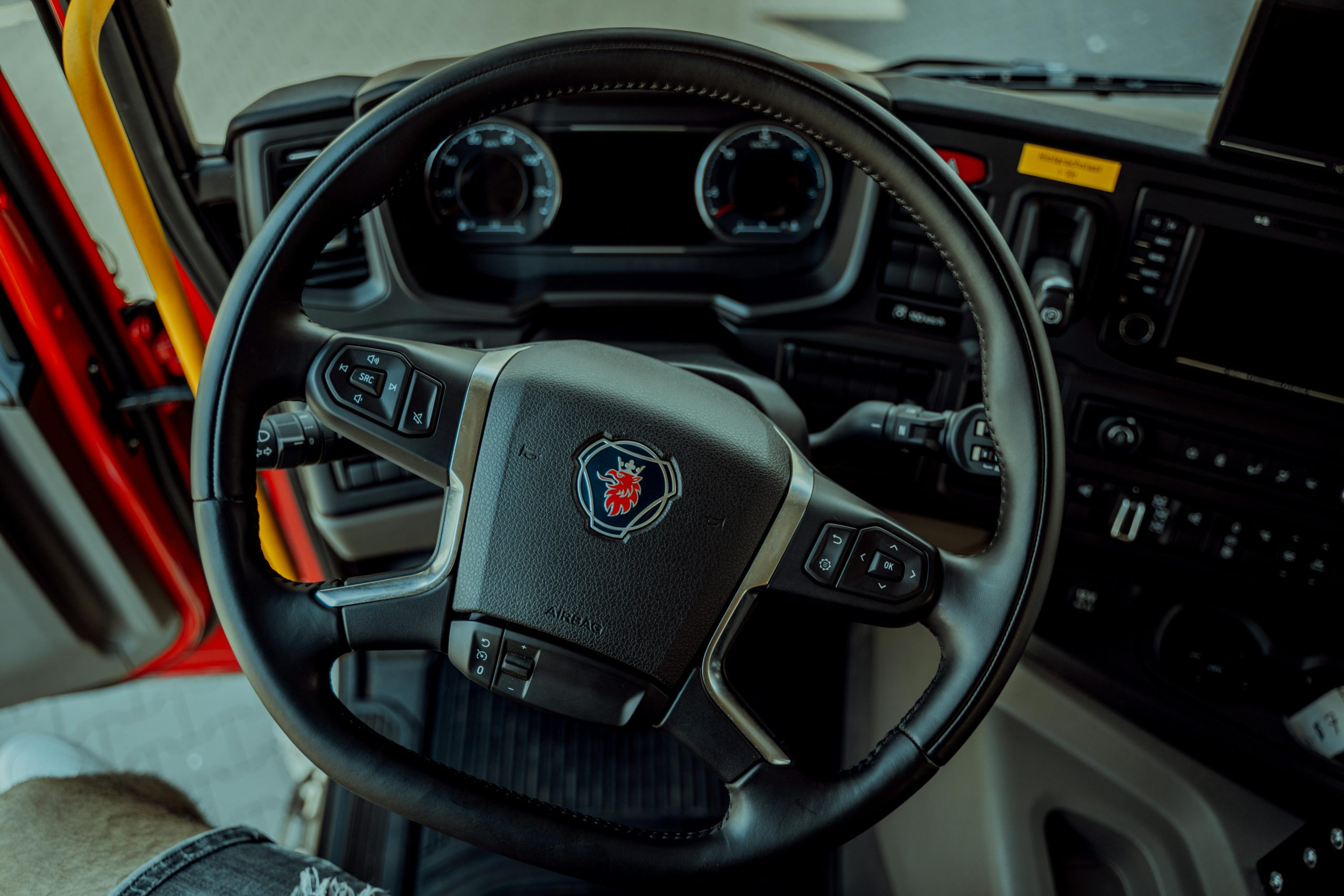
The Evolution of All-Wheel Drive Systems
In the early days of automobiles, most vehicles were equipped with a two-wheel drive system, meaning that only two of the four wheels were powered by the engine. This setup worked well for most everyday driving situations, but struggled when it came to off-road or slippery road conditions.
In the 1920s, the first all-wheel drive vehicle was introduced by Marmon Motor Car Company, but it wasn’t until the 1980s that all-wheel drive systems became more widely used in passenger cars. Since then, advancements in technology have made all-wheel drive systems more efficient and reliable, making them a desirable feature in many modern vehicles.
The Basic Components of All-Wheel Drive Systems
In order to understand how all-wheel drive systems work, it’s important to understand their basic components. The main parts of an all-wheel drive system are the power transfer unit, transfer case, and differentials.
Power Transfer Unit (PTU)
The power transfer unit is the component responsible for transferring power from the engine to the front and rear wheels. It is typically located at the front of the vehicle and connects the front and rear axles.
Transfer Case
The transfer case is the component that controls the distribution of power between the front and rear wheels. It receives power from the drivetrain and sends it to the front and rear axles, depending on the driving conditions and the system’s settings.
Differentials
The differentials are responsible for allowing the wheels on the same axle to rotate at different speeds when turning. All-wheel drive systems have both front and rear differentials to allow for better handling and control.
Types of All-Wheel Drive Systems
Not all all-wheel drive systems are created equal. There are a few different types of all-wheel drive systems, each with their own unique features and functions.
Full-Time All-Wheel Drive
Full-time all-wheel drive systems are always engaged, meaning that power is sent to all four wheels at all times. This provides maximum traction and control, but can also lead to decreased fuel efficiency.
Part-Time All-Wheel Drive
Part-time all-wheel drive systems are only engaged when certain driving conditions are detected, such as slippery roads or off-road terrain. This helps conserve fuel, but may not provide as much traction as a full-time system.
On-Demand All-Wheel Drive
On-demand all-wheel drive systems are similar to part-time systems, but can switch between two-wheel and all-wheel drive automatically. This allows for optimal fuel efficiency while still providing extra traction when needed.
The Future of All-Wheel Drive
As with most automotive technology, all-wheel drive systems are continually evolving and improving. Some manufacturers are even implementing electric all-wheel drive systems, where electric motors are used to power the front and rear axles, eliminating the need for a transfer case and traditional drivetrain components.
In addition, more and more vehicles are now equipped with features such as torque vectoring, which allows for power to be distributed between the left and right wheels on an axle, providing even better control and handling in corners.
In Conclusion
The intricate engineering behind modern automotive all-wheel drive systems is what makes them such an essential and sought-after feature in vehicles today. From the evolution of their components to the different types and advancements, all-wheel drive systems continue to play a crucial role in providing better traction, control, and overall driving experience for car owners all over the world.
So the next time you’re driving in challenging weather conditions or taking your car off the beaten path, remember the intricate engineering behind your vehicle’s all-wheel drive system, and the technology that makes it all possible.