The Best Practices for Storing and Preserving Wine Properly
Wine is more than just a drink. It is an art, a passion, and a lifestyle. For many, it is a symbol of indulgence and sophistication. But for true wine lovers, it is more than that. It is a way of life. And just like any other art, it requires proper care and attention to fully appreciate its flavors and complexities. Storing and preserving wine is not just about maintaining its quality, but also about preserving its story. In this article, we will discuss the best practices for storing and preserving wine properly to ensure that every sip is a heavenly experience.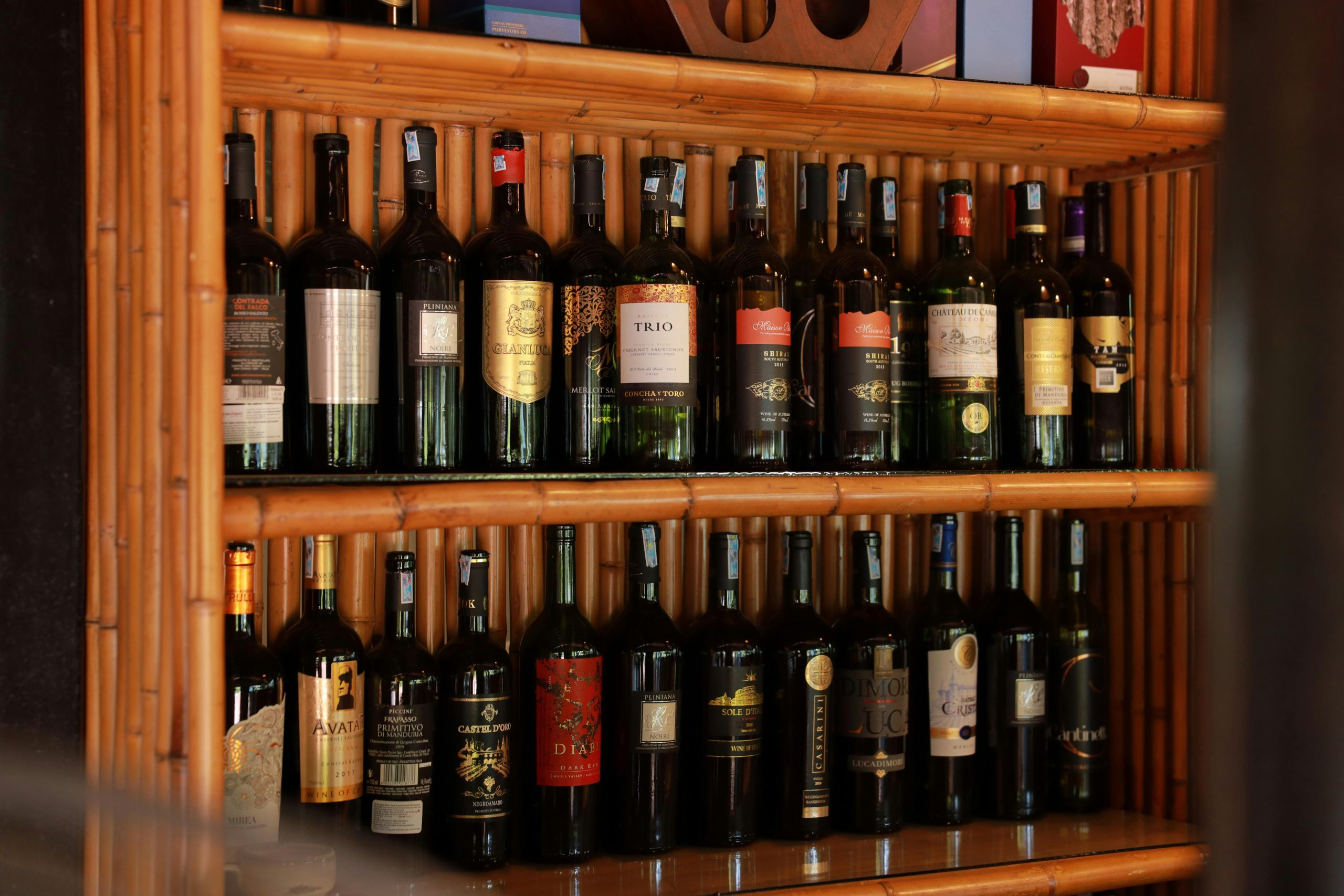
Understanding Wine Storage and Preservation
Wine storage and preservation involve the proper handling, temperature control, and aging of wine to maintain its taste and quality. When done correctly, it can help enhance the flavor profile of the wine and make it more enjoyable to drink. On the other hand, if stored and preserved improperly, wine can spoil, lose its flavor, and become undrinkable. The most important factors to consider when it comes to wine storage and preservation are temperature, humidity, light, and movement.
The Role of Temperature
The ideal temperature for storing and preserving wine is between 55-60 degrees Fahrenheit. Wine is sensitive to temperature fluctuations and storing it in a place with a consistent temperature is crucial. If the temperature is too high, the wine can age faster, compromising its quality. If it is too low, the wine can become flat and lose its flavor. Therefore, it is important to invest in a cooling system or find a suitable storage location that can maintain a steady temperature.
The Importance of Humidity
Humidity is another crucial factor in wine storage and preservation. The ideal humidity level for wine storage is between 60-70%. If the humidity level is too low, the cork can dry out, allowing air to enter the bottle and spoil the wine. On the other hand, if the humidity level is too high, it can cause mold growth and damage the labels on the bottle. Controlling the humidity level in a storage area can help ensure that the wine stays in its prime condition for a longer period.
Light and Movement
Light and movement are common enemies of wine. Exposure to direct sunlight or even fluorescent light can cause premature aging and spoilage of wine. Movement, on the other hand, can disturb the sediments in the bottle and negatively affect the flavor of the wine. Avoid storing wine in places with direct sunlight, and minimize any movement of the bottles to maintain its quality.
The Best Practices for Storing and Preserving Wine Properly
1. Store Wine in a Dark and Cool Place
The first and most important rule to remember when it comes to storing and preserving wine is to keep it in a dark and cool place. Wine cellars or specialized coolers are the best options, as they provide the ideal temperature and humidity level for wine storage. If you do not have access to a cellar or cooler, choose a storage location in your home that is away from direct sunlight, heat sources, and high traffic areas.
2. Place Bottles Horizontally
When storing wine, it is important to lay the bottles horizontally. This allows the wine to stay in contact with the cork, keeping it moist and airtight. If the cork dries out, it can shrink and allow air to enter the bottle, causing the wine to spoil. Storing bottles horizontally also helps prevent the sediments from settling at the bottom, ensuring that the wine stays clear and balanced.
3. Keep the Area Well-Ventilated
Even though dark and cool places are ideal for storing wine, it is important to ensure that the area is well-ventilated. Good air circulation can help prevent the growth of mold and mildew and reduce the risk of off-odors seeping into the wine. Avoid storing wine in a tightly sealed or confined space.
4. Store Wine at the Right Aging Temperature
Wine is meant to age, and the right temperature can enhance its flavor and aging process. Red wines are best aged between 55-65 degrees Fahrenheit, while white wines are best between 45-55 degrees Fahrenheit. Keeping a consistent aging temperature can help improve the quality of the wine and bring out its full potential.
5. Invest in a Wine Fridge or Cooler
If you are an avid wine collector, it may be worth investing in a wine fridge or cooler. These appliances are specifically designed for storing and preserving wine, and they provide the ideal temperature, humidity level, and storage conditions. They also have different compartments for varying wines, making it easier to organize your collection.
The Bottom Line
Storing and preserving wine properly is an essential part of the wine experience. It ensures that the wine stays in its prime condition and retains its flavor and aroma. By keeping the wine at the right temperature, humidity level, and away from light and movement, you can enjoy a delicious and well-preserved bottle of wine. Whether you are a wine enthusiast or a connoisseur, following the best practices for storing and preserving wine can help you appreciate the true beauty and complexity of this divine drink.