
Aerospace Engineering Careers: Designing the Next Aircraft
Are you fascinated by the vast skies and the incredible machines that soar through the air? Are you one to dream about being able to contribute to the design and development of these aircraft? If you answered yes, then a career in aerospace engineering may be your perfect fit. The field of aerospace engineering is constantly evolving and pushing boundaries, making it an exciting and dynamic industry to be a part of. In this article, we will explore the world of aerospace engineering careers and the role they play in designing the next generation of aircraft.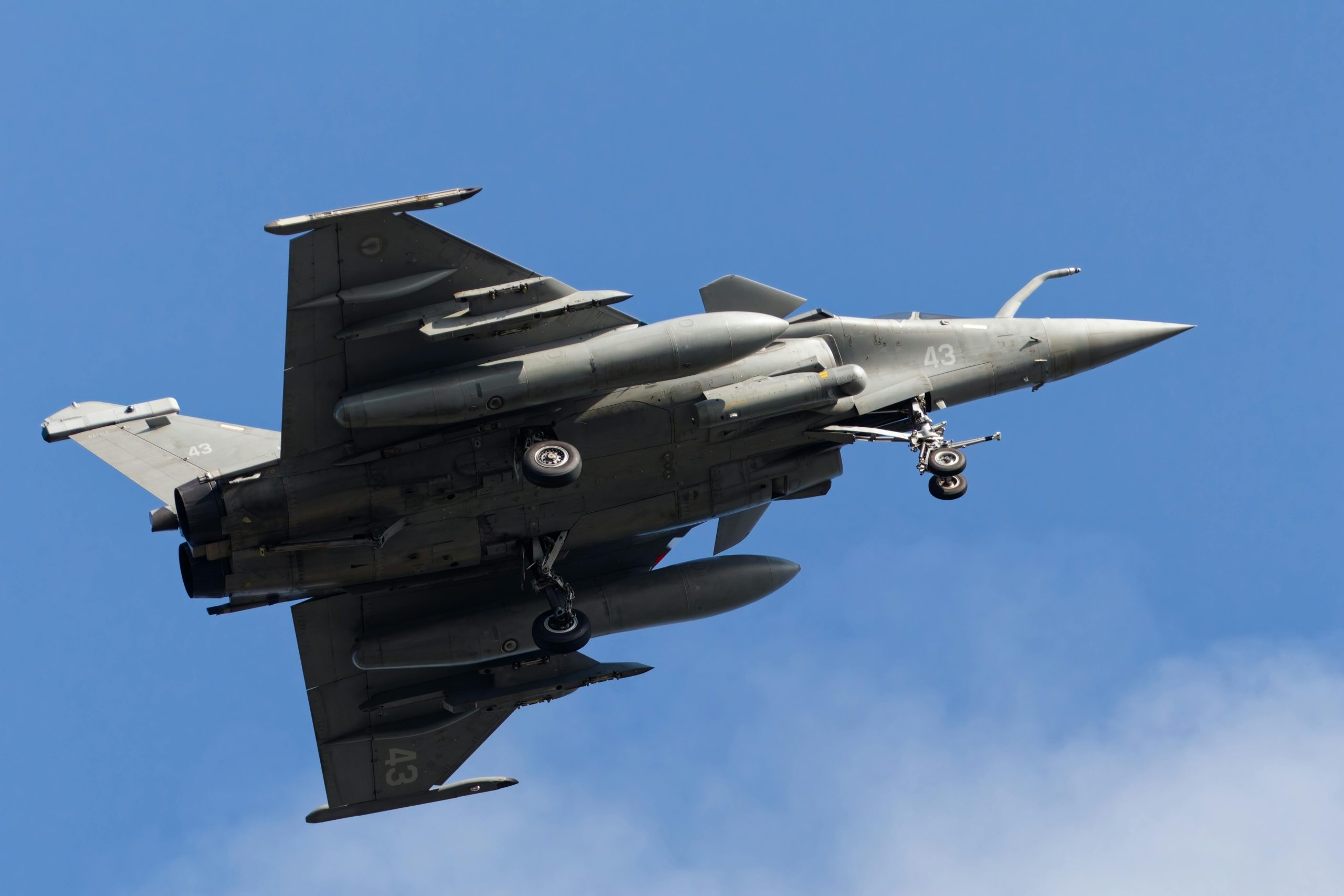
What is Aerospace Engineering?
Aerospace engineering is a branch of engineering that deals with the design, development, and maintenance of aircraft and spacecraft. It combines principles from various disciplines such as physics, mathematics, and materials science to create functional and efficient flying machines. Aerospace engineers are involved in all aspects of the design process, from conceptualization to production and testing. They work closely with other engineers and specialists to ensure that aircraft and spacecraft are safe, reliable, and technologically advanced.
The Role of Aerospace Engineers in Designing the Next Aircraft
Conceptualization and Design
The first and most important step in designing the next aircraft is conceptualization. Aerospace engineers are responsible for coming up with new ideas and designs to improve existing aircraft or to create entirely new ones. They consider factors such as aerodynamics, weight, and cost to develop preliminary designs that meet the specific requirements of the aircraft. Advanced computer-aided design (CAD) software is used to create detailed 3D models of the proposed aircraft, which are then refined and tested for feasibility.
Structural Analysis and Testing
Once a design is finalized, aerospace engineers must ensure that the aircraft’s structure is strong and can withstand the stresses of flight. This involves conducting structural analyses using specialized software and testing prototypes in flight simulators and wind tunnels. Any flaws or weaknesses in the design are identified and addressed before moving on to the production stage.
Materials Selection and Manufacturing
Choosing the right materials for the construction of an aircraft is critical in ensuring its safety and efficiency. Aerospace engineers work closely with materials scientists and experts to select the most suitable materials that can withstand extreme temperatures, pressure, and other harsh conditions. They also oversee the manufacturing process to ensure that the aircraft is built according to design specifications and industry standards.
Flight Testing and Performance Analysis
Before an aircraft is approved for commercial use, it must undergo extensive flight testing and performance analysis. This is where the expertise of aerospace engineers is crucial. They monitor flight data and assess the aircraft’s performance in various conditions to identify any potential issues. Based on the results, necessary modifications and adjustments are made to improve the aircraft’s overall performance and safety.
Career Opportunities in Aerospace Engineering
A career in aerospace engineering offers a wide range of opportunities for individuals with diverse interests and skill sets. Some of the popular job roles in this field include:
Aircraft Designer
As the job role suggests, aircraft designers are responsible for creating innovative and efficient aircraft designs. They work closely with other engineers and specialists to develop cost-effective and practical solutions for designing the next aircraft.
Aerospace Systems Engineer
Aerospace systems engineers are involved in the design and development of various systems used in aircraft and spacecraft. They oversee the integration of systems such as electrical, mechanical, and avionics to ensure that they work together seamlessly and efficiently.
Aerospace Software Engineer
With advancements in technology, software has become an integral part of aircraft and spacecraft design. Aerospace software engineers are responsible for developing and maintaining software that controls, monitors, and supports different systems in the aircraft.
Aerospace Maintenance Technician
Once an aircraft is built and ready for operation, it needs regular maintenance and repairs to ensure it remains safe and functional. Aerospace maintenance technicians troubleshoot and repair various systems and components of aircraft to keep them in top condition.
Conclusion
A career in aerospace engineering is perfect for those who are passionate about designing and building aircraft and spacecraft. The skills and knowledge required for this field are constantly evolving, making it an exciting and challenging career choice. Whether you want to create the next generation of aircraft or be a part of the team that sends humans to Mars, the field of aerospace engineering offers endless opportunities for growth and innovation.