
Building an Emergency Fund for Unexpected Property Expenses and Repairs

Owning a property brings a sense of pride and achievement. However, along with the perks of being a homeowner, there are also unexpected expenses that come with the territory. Whether it’s a leaky roof, a broken furnace, or a flooded basement, unexpected property expenses and repairs can take a toll on your finances. That’s why it’s important to have an emergency fund in place to cover these unforeseen costs. In this article, we’ll discuss the importance of building an emergency fund for unexpected property expenses and repairs and provide tips on how to do it effectively.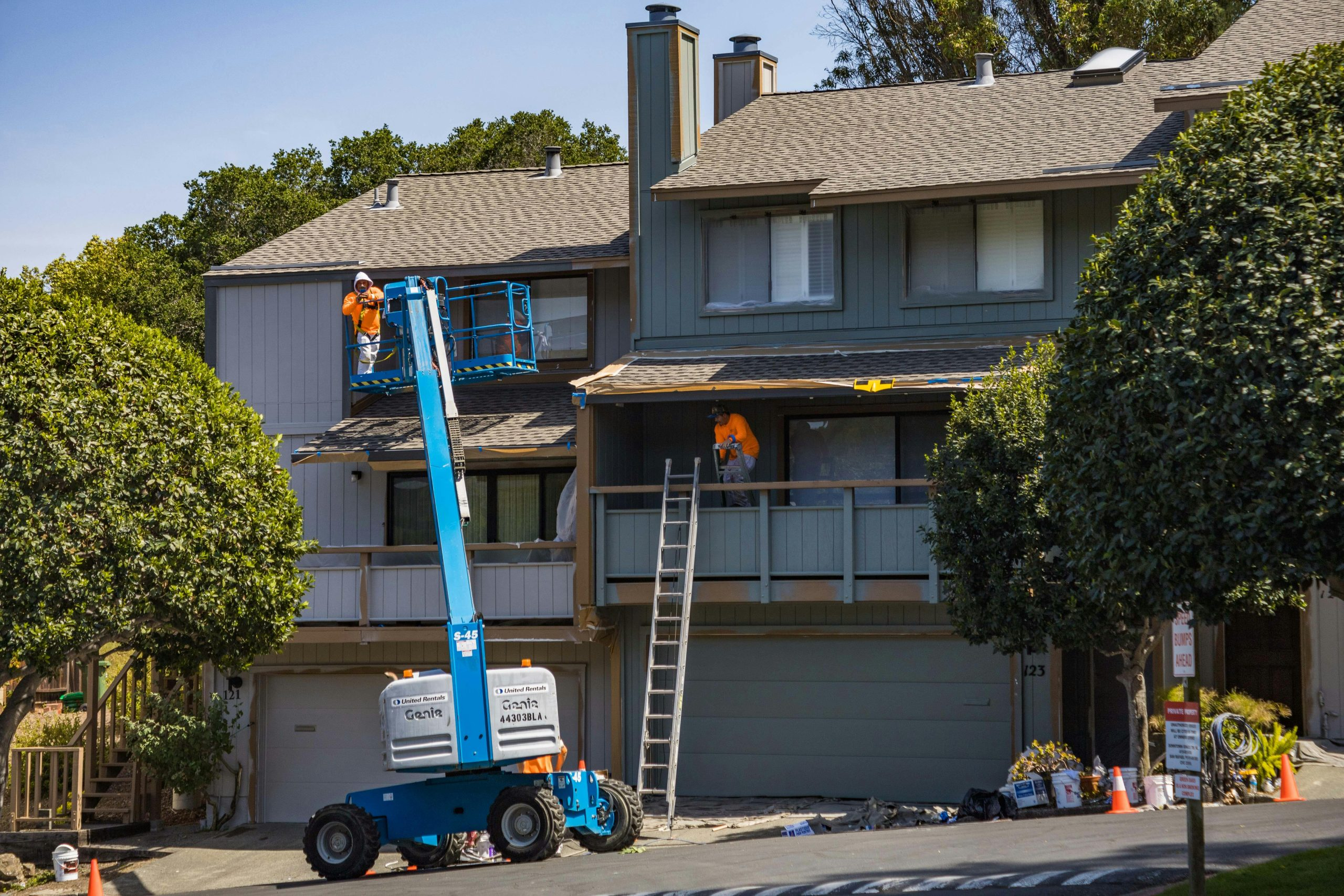
Why Do You Need an Emergency Fund for Unexpected Property Expenses and Repairs?
An emergency fund acts as a safety net, providing financial security in case of unexpected events. While it’s essential to have an emergency fund for personal emergencies, such as job loss or medical bills, it’s equally important to have one for your property.
As a homeowner, you are responsible for all property maintenance and repairs. No matter how much you budget and plan, there will always be unexpected expenses that come up. These can range from small repairs to major replacements, and they can add up quickly. Without an emergency fund, you may find yourself in a financial bind, scrambling to come up with the money to cover these expenses.
Furthermore, unexpected property expenses and repairs often come at inconvenient times. For example, if your roof starts leaking during a storm, you can’t wait until your next paycheck to fix it. You need to act fast to prevent further damage to your property. Having an emergency fund allows you to handle these situations without going into debt or dipping into your savings meant for other financial goals.
How to Build an Emergency Fund for Unexpected Property Expenses and Repairs
1. Determine the Amount You Need
The first step in building an emergency fund is to determine how much you need. Many experts recommend having at least three to six months’ worth of expenses saved. However, as a homeowner, you may want to aim for a higher amount, given the unpredictability of property expenses.
Take a look at your monthly expenses and add a buffer for potential property emergencies. This will give you an idea of how much you need to have in your emergency fund. Keep in mind that the more you save, the better prepared you will be for unexpected expenses.
2. Make it a Priority
Building an emergency fund should be a top priority for any homeowner. Set a goal and make it a point to save a specific amount each month until you reach your target. It’s helpful to treat your emergency fund as a fixed expense and allocate a portion of your income towards it.
It’s also essential to resist the temptation of using your emergency fund for other purposes. Keep it separate from your regular savings and only use it for unexpected property expenses and repairs.
3. Cut Costs and Increase Income
If you have a tight budget, you may need to look for ways to cut costs to free up some money for your emergency fund. This could mean finding ways to lower your utility bills, reduce your grocery expenses, or even downsizing to a smaller living space if your property expenses are too high.
You can also consider increasing your income by picking up a side hustle or selling items you no longer need. Any extra money you can put towards your emergency fund will help you reach your goal faster.
4. Keep Your Emergency Fund in a Separate Account
To avoid raiding your emergency fund for non-urgent expenses, it’s important to keep it in a separate account. Consider opening a high-interest savings account or a money market account to earn some interest on your savings.
Having a separate account also makes it easier to track your progress and access funds when needed. Be sure to choose an account that allows easy access to your money without any penalties or restrictions.
5. Replenish Your Fund After Use
Once you dip into your emergency fund for unexpected property expenses or repairs, make it a priority to replenish it. This may delay other financial goals, but it’s crucial to get your emergency fund back to its original amount to protect yourself from future financial emergencies.
Conclusion
Unexpected property expenses and repairs are just a part of being a homeowner. While you can’t prevent them from happening, you can prepare for them by building an emergency fund. By making it a priority, setting a goal, and being disciplined with your savings, you can have the financial protection you need to handle any unexpected property expenses that come your way. Don’t wait until it’s too late; start building your emergency fund today!