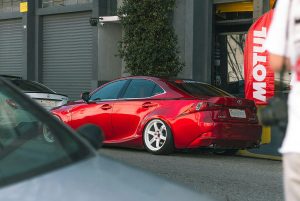
Understanding Vehicle Aerodynamics: Minimizing Drag and Maximizing Stability
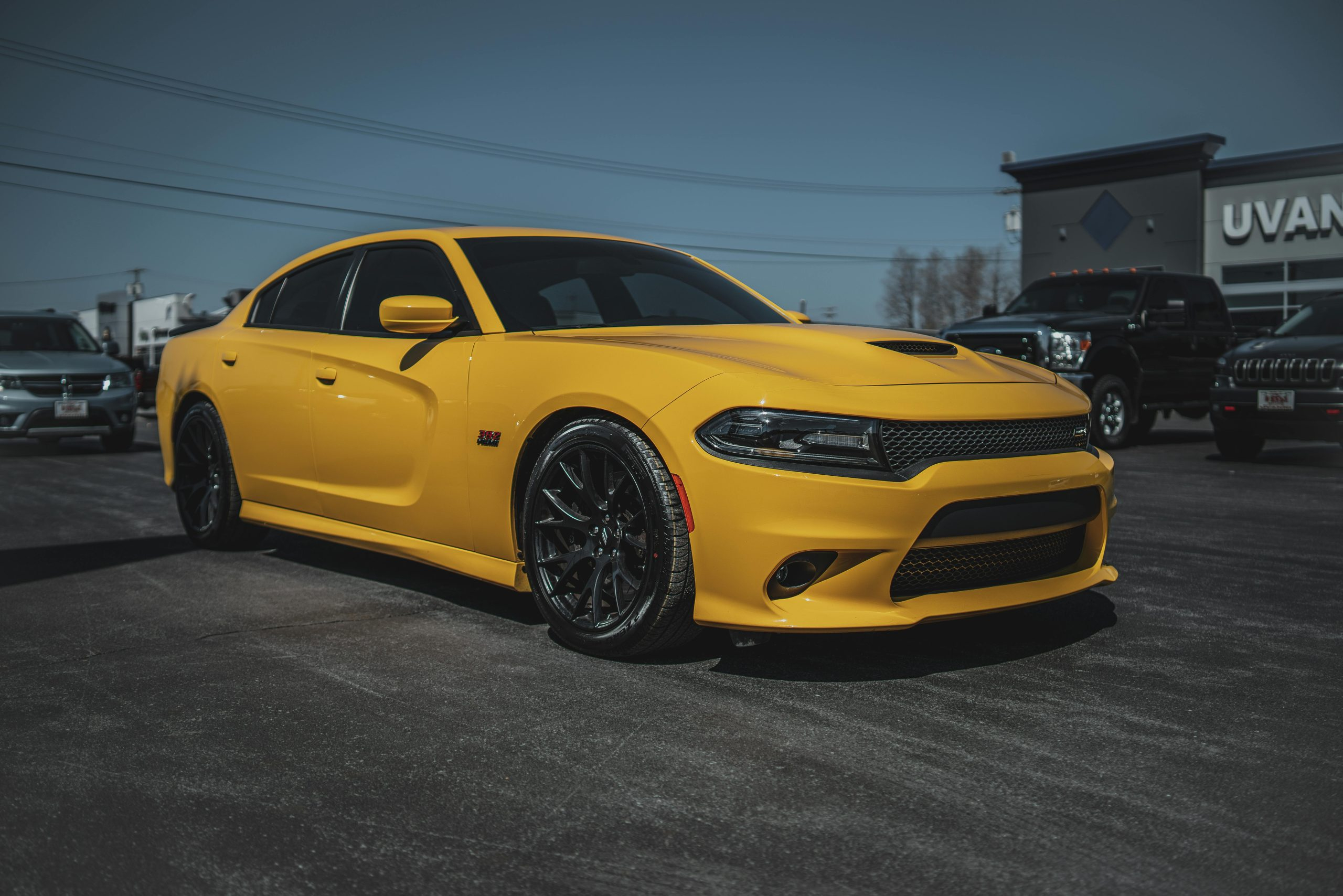
When it comes to designing and engineering vehicles, one of the most important factors to consider is aerodynamics. This branch of science deals with the study of how air flows around objects, such as cars and airplanes. In the case of vehicles, understanding and harnessing the principles of aerodynamics can have a significant impact on performance, fuel efficiency, and overall safety. In this article, we’ll delve into the world of vehicle aerodynamics and explore how minimizing drag and maximizing stability can improve the driving experience and ultimately, the success of a vehicle’s design.
The Basics of Vehicle Aerodynamics
Before we dive into the specifics of minimizing drag and maximizing stability, it’s essential to have a general understanding of vehicle aerodynamics. At its core, aerodynamics is the study of how air interacts with objects as it flows around them. When it comes to vehicles, the main concern is how air affects the overall performance and efficiency of the vehicle.
When a vehicle is in motion, it encounters two types of forces: drag and lift. Drag is a force that acts in the opposite direction of motion and can slow down the vehicle. On the other hand, lift is a force that acts perpendicular to the direction of motion and can cause a vehicle to become airborne. Both of these forces can significantly impact a vehicle’s performance and stability, which is why they are crucial factors to consider in vehicle design.
Minimizing Drag
One of the primary goals of aerodynamic design is to minimize drag. As mentioned earlier, drag is a force that acts in the opposite direction of motion, and it can significantly affect a vehicle’s performance. The higher the drag force, the more energy the vehicle needs to maintain its speed, leading to reduced fuel efficiency and lower overall performance.
So, how can drag be minimized in vehicle design? The key lies in reducing the vehicle’s overall aerodynamic profile. This means optimizing the shape and surface of the vehicle to allow the air to flow around it smoothly. One of the most common techniques used is streamlining, which involves creating a teardrop shape to minimize drag. This design is often seen in sports cars and high-performance vehicles, where speed and aerodynamics are crucial.
In addition to streamlining, various aerodynamic features, such as air dams, spoilers, and diffusers, can be incorporated into a vehicle’s design to reduce drag. These features work to manipulate the flow of air and minimize the turbulence around the vehicle. By reducing drag, vehicles can achieve increased fuel efficiency, improved handling, and greater stability at high speeds.
Maximizing Stability
While minimizing drag is essential for improving a vehicle’s performance, maximizing stability is crucial for ensuring safety and control. As mentioned earlier, lift is a force that acts perpendicular to the direction of motion, and it can cause a vehicle to become airborne. This is especially dangerous at high speeds, and it is why aerodynamic stability is crucial in vehicle design.
To maximize stability, engineers need to consider factors such as weight distribution, center of gravity, and downforce. A lower center of gravity and even weight distribution can significantly improve a vehicle’s stability by keeping it firmly planted on the ground. In addition, features such as spoilers and diffusers are also used to create downforce, which helps to keep a vehicle stable at high speeds.
Another essential aspect of maximizing stability is reducing aerodynamic lift. This can be achieved by creating a balanced air flow around the vehicle, as well as incorporating features such as airfoils, which work to create a downward force that counters the lifting effects of air flow.
In Conclusion
In the world of vehicle design, aerodynamics plays a crucial role in performance, efficiency, and safety. By understanding and harnessing the principles of vehicle aerodynamics, engineers can minimize drag and maximize stability, leading to improved overall performance and greater success in the market. As technology and design continue to advance, we can expect to see even more innovations in vehicle aerodynamics, further improving the driving experience for all.