Navigating the World of Specialty Coffee Roasting at Home
If you’re a coffee lover looking to up your at-home brewing game, specialty coffee roasting is a perfect place to start. Not only is it a fun and creative way to experiment with different flavor profiles, but it also allows you to have complete control over the freshness and quality of your daily cup of joe. With the right equipment and techniques, navigating the world of specialty coffee roasting at home is easy and rewarding. In this article, we’ll explore the basics of coffee roasting and provide tips and tricks for mastering this craft in your own kitchen.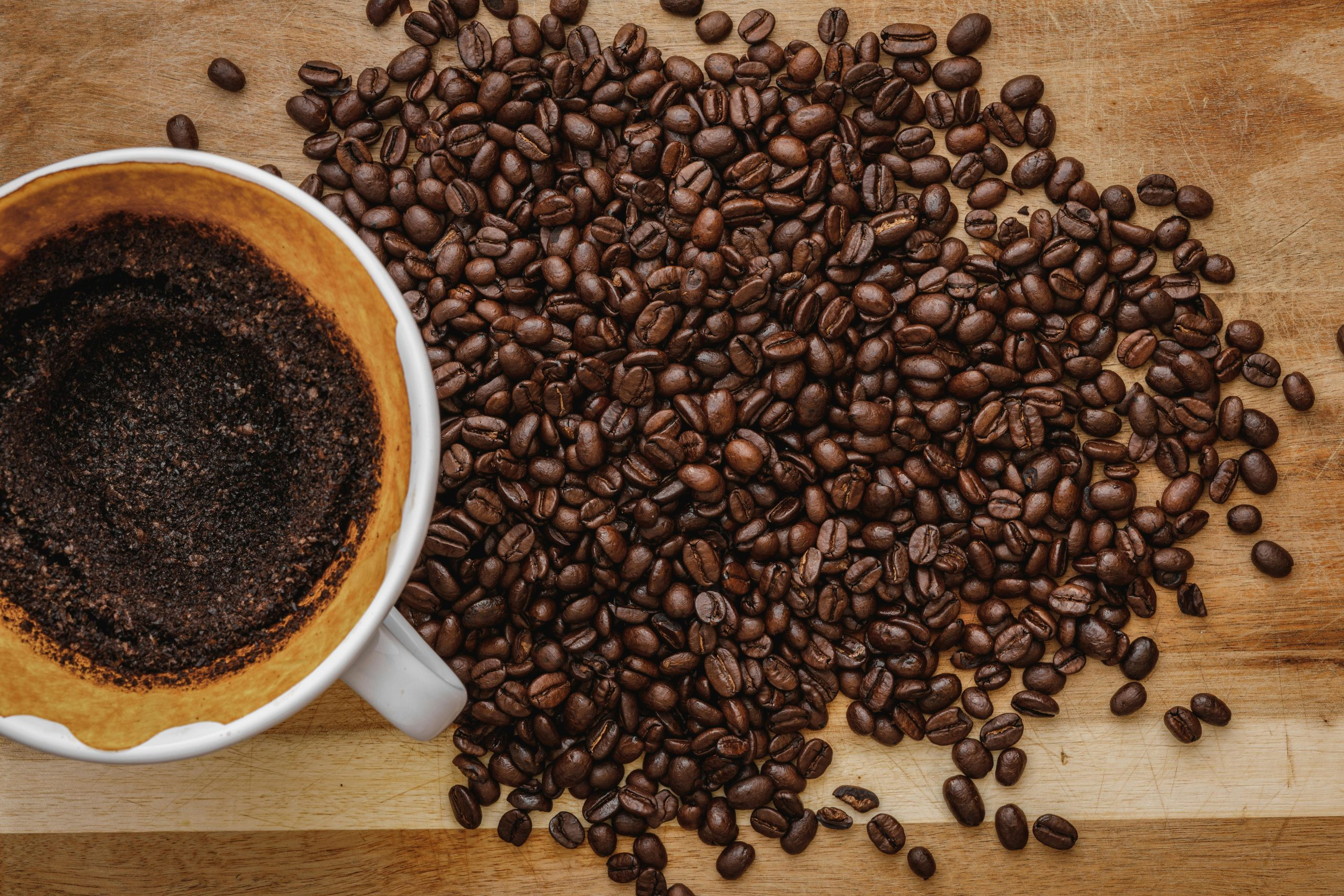
The Basics of Coffee Roasting
Before we dive into the details of at-home roasting, let’s first understand the basics of coffee roasting. Roasting coffee is the process of transforming green coffee beans into the dark, aromatic beans that we all know and love. This process involves applying heat to the beans, causing chemical reactions that break down the raw flavors and bring out the unique characteristics of each bean.
The first step in coffee roasting is choosing the right beans. Specialty coffee beans are typically higher quality and more flavorful than mass-produced coffee beans. These beans are often grown in specific regions of the world, and each region produces beans with a distinctive taste and profile. Experiment with different beans to find your favorites.
Next, you’ll need to invest in some basic equipment. At a minimum, you’ll need a coffee roaster, a scale, and a timer. You can also purchase a dedicated coffee roaster or use a popcorn maker or cast-iron skillet if you’re not ready to commit to a larger investment.
The Roasting Process
Once you have your beans and equipment, it’s time to start roasting. The first step is to preheat your roaster according to the manufacturer’s instructions. Then, add your green beans to the roaster and let them roast for 10-15 minutes, stirring occasionally. As the beans roast, you’ll notice a distinct crackling sound—this is the first crack, an indicator that the beans are starting to roast.
After the first crack, keep an eye on your beans and continue to stir them until they reach your desired level of roast. You can use a color comparison chart to help determine when your beans are at the perfect roast. Once your beans have reached the desired roast, remove them from the heat and let them cool for a few hours before storing them in an airtight container.
Tips and Tricks for Perfect Roasting
Now that you know the basics, here are some tips and tricks for achieving the perfect roast every time:
1. Experiment with different roast levels.
The degree of roast plays a significant role in the flavor of your coffee. Darker roasts will produce a more full-bodied and smoky cup, while lighter roasts will have a brighter and fruitier taste. Don’t be afraid to experiment with different roast levels to find your perfect cup.
2. Take notes and track your roasts.
As with any craft, coffee roasting requires practice and patience. Keep track of your roasting times, temperatures, and measurements to help you perfect your technique over time.
3. Invest in high-quality beans.
The quality of your beans will have a significant impact on the final product. Opt for specialty beans from reputable sources for the best results.
4. Don’t be afraid to make mistakes.
Roasting coffee is a fun and creative process, and it’s okay to make mistakes. Embrace trial and error and learn from your failures to improve your skills over time.
Conclusion
Navigating the world of specialty coffee roasting at home is an exciting journey filled with endless possibilities and delicious cups of coffee. With the right equipment, techniques, and a little bit of patience, you can become a master roaster in no time. So go ahead, put on your barista hat and start roasting your way to the perfect cup of coffee!