
Simple Techniques for Making Your Own Nut Milks
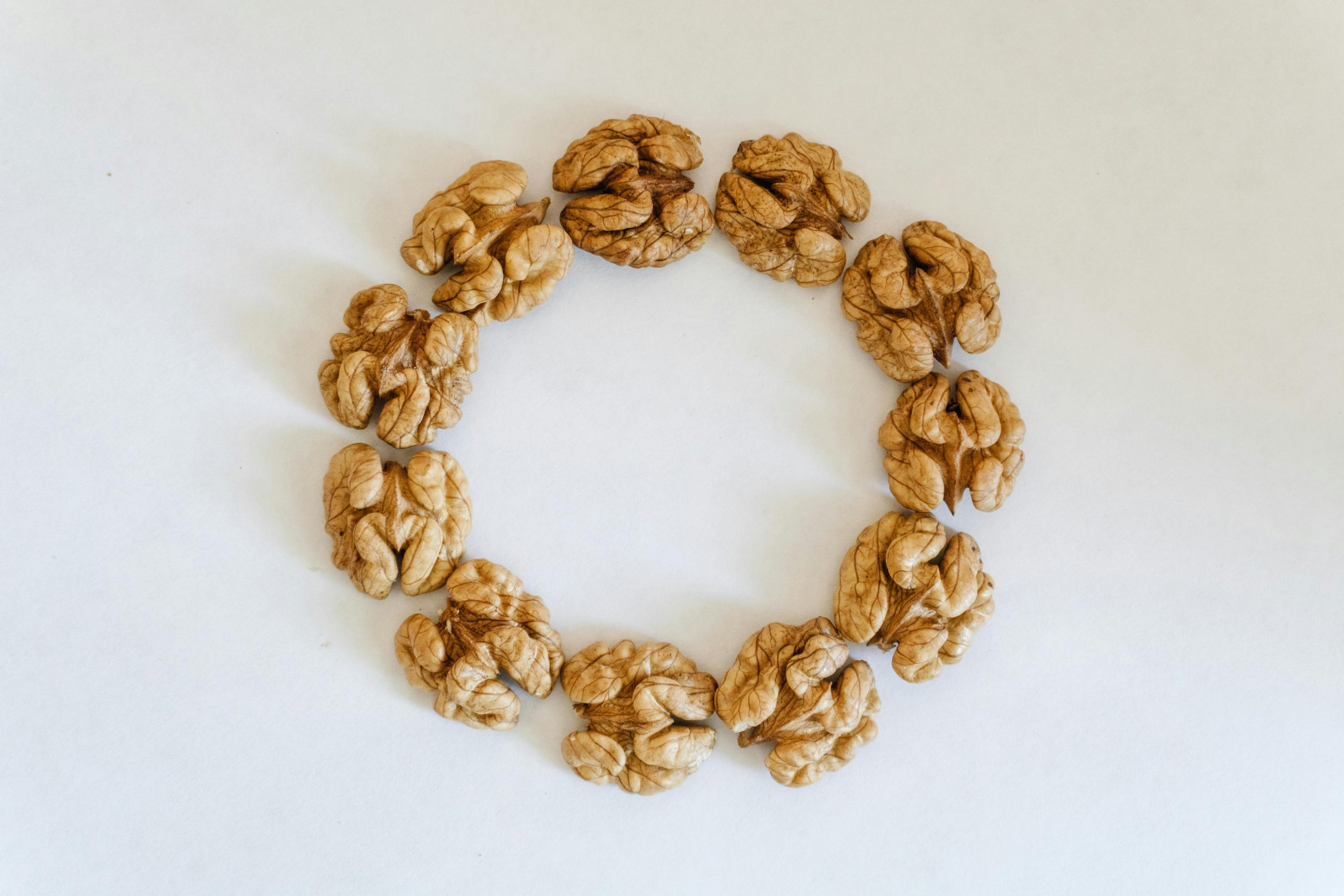
Milk alternatives have been gaining popularity over the years, and for good reason. Not only are they lactose-free, but they also offer a wide range of health benefits. One popular milk alternative is nut milk, which is made by blending nuts with water and straining the mixture. It’s a simple and delicious option for those looking to switch things up in their diet. Plus, making your own nut milk allows you to control the ingredients and ensure that it is free from additives and preservatives. In this article, we’ll take a look at some simple techniques for making your own nut milks at home.
Why Make Your Own Nut Milks?
Store-bought nut milks are often loaded with sugar, preservatives, and other not-so-healthy additives. By making your own nut milk at home, you can avoid these undesirable ingredients and have control over what goes into your milk. You can also customize the flavors and textures to your liking and experiment with different nuts and seeds. Additionally, making your own nut milk can save you money in the long run. It may seem like an extra step, but with a little practice, it can become just as convenient as buying it from the store.
Choosing Your Nuts
The first step in making your own nut milk is choosing the nuts you want to use. Almonds, cashews, and hazelnuts are some popular options, but you can also use seeds like pumpkin, sunflower, or hemp seeds. You can even mix and match for a unique flavor. It’s best to use raw and unsalted nuts for the purest taste, but you can also use roasted and salted nuts if you prefer. Keep in mind that the type of nut you choose will affect the flavor and texture of the milk.
Soaking Your Nuts
After choosing your nuts, the next step is soaking them. Soaking nuts serves multiple purposes – it helps to soften them, making them easier to blend, and it also makes the milks creamier. Soaking also helps to remove any enzyme inhibitors that can interfere with digestion. Soak your nuts in water for at least 4 hours or overnight in the fridge. If you’re short on time, you can also soak them in warm water for 1-2 hours.
Blending and Straining Your Milk
Once your nuts are soaked, drain and rinse them before blending. You will need a high-speed blender for a smooth and creamy texture. Add your soaked nuts and 3-4 cups of water to the blender and blend until the mixture is smooth. You can also add vanilla extract, honey, or other flavors at this stage for added taste. Next, strain the mixture through a nut milk bag or cheesecloth into a large bowl. Squeeze out as much liquid as possible.
Flavoring and Storing Your Milk
Now that you have the base of your nut milk, you can add additional flavors and sweeteners to your liking. If you prefer a richer and creamier milk, you can simmer the milk on the stove for a few minutes to evaporate some of the water, but this step is optional. You can store your nut milk in a sealed container in the fridge for up to 4-5 days. Before using, give it a good shake, as the milk may separate over time.
Using Leftover Pulp
Don’t throw away the leftover pulp! You can use it in various ways, such as adding it to smoothies, oatmeal, or baking recipes. You can also spread it out on a baking sheet and bake it at a low temperature for a couple of hours until it dries out and turns into a crumbly flour-like texture. This pulp flour can also be used in baking or as a topping for yogurt or oatmeal.
In Conclusion
Making your own nut milk may seem intimidating at first, but with these simple techniques, it’s a breeze. Not only is it a healthier option, but it also allows you to get creative and experiment with flavors. Plus, with no additives or preservatives, you can enjoy your nut milk guilt-free. So, grab your favorite nuts, give them a soak and blend them up for a delicious and nutritious nut milk at home!