
The Future of Manufacturing With Advanced Robotics
Manufacturing has come a long way since the first industrial revolution in the late 18th century. From manual labor and production, we have gradually moved towards mechanization and automation. However, as we step into the fourth industrial revolution, the future of manufacturing seems to be heading towards a new era – one that is powered by advanced robotics.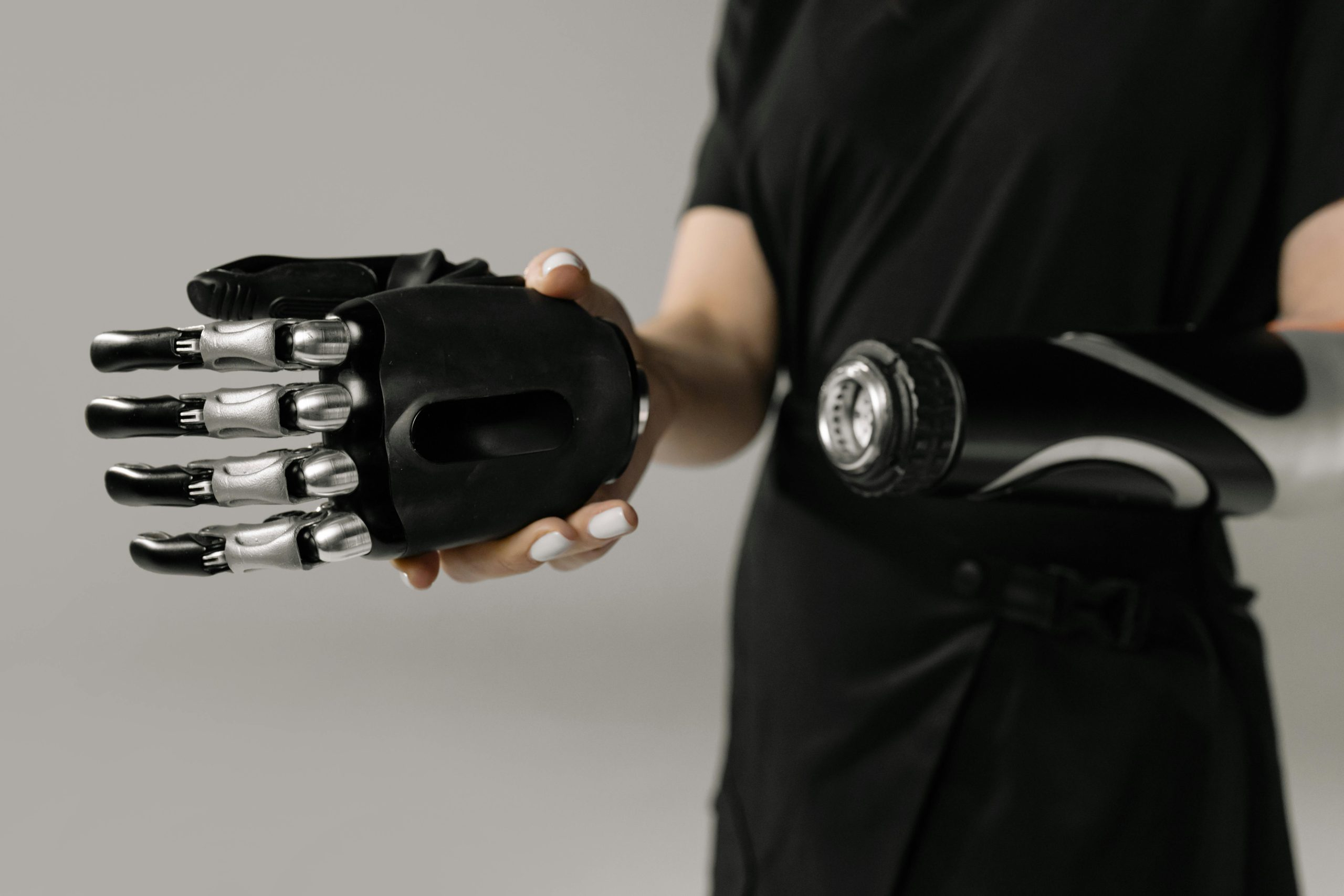
The Rise of Advanced Robotics in Manufacturing
Advanced robotics, also known as smart robots, are capable of performing a wide range of tasks with precision, speed, and accuracy. These robots are equipped with advanced sensors, artificial intelligence, and machine learning capabilities, making them highly intelligent and adaptable to changes in their environment.
The use of advanced robotics in manufacturing is not a new concept. In fact, industrial robots have been around since the 1960s, mainly used for tasks such as welding, painting, and assembly. However, with advancements in technology, these robots have become more sophisticated and versatile, paving the way for their integration into different facets of the manufacturing process.
Revolutionizing Manufacturing Processes
The integration of advanced robotics in manufacturing has revolutionized the production process. Traditional manufacturing methods were time-consuming, labor-intensive, and prone to human error. With the use of advanced robots, these processes have become more efficient, precise, and cost-effective.
Today, advanced robotics can be found in all stages of the manufacturing process – from raw material handling and assembly to quality control and packaging. These robots can work non-stop without breaks or shifts, leading to increased productivity and time savings. They can also perform tasks with consistency and accuracy, reducing the chances of errors and defects.
Improved Safety and Working Conditions
Another significant advantage of using advanced robotics in manufacturing is the improvement in safety and working conditions. Traditional manufacturing processes involved tasks that were hazardous and dangerous for human workers, leading to high rates of injuries and accidents.
With the integration of advanced robots, these risks have been greatly minimized. These robots can perform tasks in hazardous environments without putting human workers in harm’s way. This has not only improved the safety of workers but also enhanced the overall working conditions in manufacturing plants.
The Future of Manufacturing With Advanced Robotics
The use of advanced robotics in manufacturing is still in its early stages, but it is expected to grow exponentially in the coming years. As technology continues to advance, we can expect to see more sophisticated and intelligent robots that can carry out complex tasks with ease.
Increased Efficiency and Flexibility
With advancements in artificial intelligence and machine learning, advanced robots are becoming more versatile and flexible. They can adapt to changes in the manufacturing process and learn from their mistakes, making them more efficient. This flexibility also allows for quick and easy reprogramming, reducing downtime and increasing overall efficiency.
Collaboration Between Humans and Robots
The future of manufacturing with advanced robotics is not about replacing human workers, but rather about collaboration. As robots take on more mundane and repetitive tasks, human workers can be upskilled to perform more complex and creative tasks. This collaboration will lead to higher-quality products and more job opportunities for human workers.
Furthermore, advanced robots can work alongside human workers, providing them with support and assistance, leading to a more productive and harmonious working environment.
Reduced Costs and Increased Competitiveness
Integrating advanced robots in manufacturing processes can also bring about cost savings for companies. With increased productivity, efficiency, and precision, companies can produce more products in less time, leading to reduced costs. This can give companies a competitive edge in the market, allowing them to offer high-quality products at a lower cost.
Conclusion
The future of manufacturing with advanced robotics is bright and promising. These intelligent and adaptable robots are transforming the production process, leading to increased efficiency, safety, and cost savings. As technology continues to advance, we can expect to see more innovative and sophisticated robots, further revolutionizing the manufacturing industry. Companies that embrace this technology will thrive and remain competitive in the ever-evolving market.