
How Technology is Completely Transforming Music Production Today
Music has been an integral part of human societies for centuries. It has the power to evoke emotions, tell stories, and bring people together. Throughout history, the way music is produced has gone through various transformations, from traditional instruments to digital synthesizers. However, with the rapid advancement of technology, the music production landscape has undergone a complete revolution. Today, technology has completely transformed the way music is created, produced, and consumed. In this article, we’ll delve into the ways in which technology is completely transforming music production today.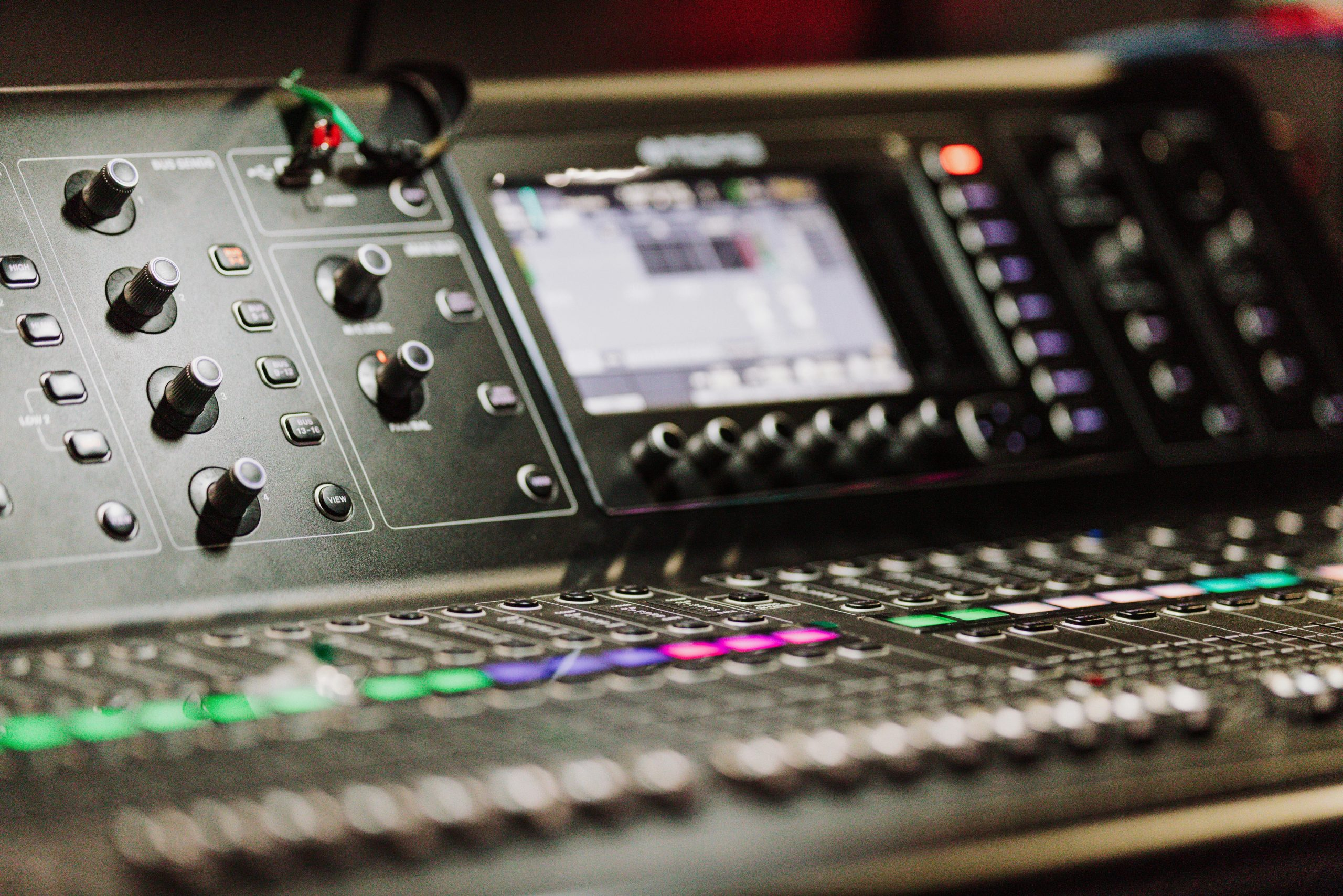
The Rise of Digital Audio Workstations (DAWs)
Gone are the days when recording studios were filled with bulky equipment and racks of tape machines. The advent of digital audio workstations (DAWs) has revolutionized the process of music production. These powerful software programs allow musicians, producers, and engineers to record, edit, and mix music digitally, using a computer and audio interface. This not only saves time and space but also provides a more efficient and flexible workflow.
Virtual Instruments and Plug-Ins
One of the most significant advantages of using DAWs is the availability of virtual instruments and plug-ins. These software tools replicate the sounds of traditional instruments, such as pianos, drums, and guitars, as well as add effects like reverb, delay, and compression. This allows musicians to create a vast array of sounds without having to invest in expensive hardware and instruments. Additionally, it provides endless creative possibilities and enables artists to experiment with different sounds and genres.
Collaboration and Remote Recording
Technology has also changed the way musicians collaborate and record music. In the past, recording sessions usually involved all the musicians being present in the same studio. However, with the availability of home recording equipment and online collaboration tools, artists can now work together remotely. This not only saves time and money but also allows musicians to collaborate with others from around the world. As a result, music production has become more diverse and inclusive.
Enhanced Sound Quality
Advancements in technology have also led to significant improvements in sound quality. The use of high-quality microphones, recording software, and digital signal processing has enabled producers to achieve crisp and polished sound that was previously only possible in top-notch recording studios. This has allowed independent artists and producers to release professional-quality music from the comfort of their own homes.
The Influence of Social Media and Streaming Platforms
Social media and streaming platforms have also played a crucial role in transforming the music industry. With the rise of platforms like YouTube, SoundCloud, and Spotify, musicians can now share their music with a global audience and connect with their fans directly. This has provided independent artists with a level playing field, enabling them to build a following and gain recognition without the backing of a record label. Additionally, streaming platforms have also changed the way people consume music, with on-demand streaming becoming more popular than physical album sales.
AI and Machine Learning in Music Production
Artificial intelligence (AI) and machine learning have also made their way into music production. These technologies are being used to analyze patterns and trends in music, generate melodies and lyrics, and even create new sounds. While this may seem like a threat to human creativity, it has opened up new possibilities in music production and has been embraced by many musicians and producers.
In Conclusion
Technology has completely transformed music production, from the tools we use to create music to the way we consume and share it. It has provided musicians with more accessibility, flexibility, and creative opportunities, and has blurred the lines between genres, cultures, and languages. While some may argue that technology has taken away the “human touch” in music, it has undoubtedly brought about a revolution that has made music production more immersive, interactive, and inclusive than ever before.
In conclusion, technology is continuously evolving, and its impact on music production will only intensify in the future. As technology continues to advance, we can expect to see endless possibilities and innovations in the world of music. What’s certain is that technology will continue to play a vital role in shaping the way we create, produce, and consume music for generations to come.