The Transformative Impact of Music on Cultural Identity
Music has been a powerful force in human society since the beginning of time. Across different cultures and civilizations, music has played a vital role in shaping and preserving the collective identity of a group of people. Whether it is ancient tribal songs or modern pop music, the transformative impact of music on cultural identity is undeniable. In this article, we will delve deeper into how music influences cultural identity and the ways in which it has the power to shape, transform, and preserve our sense of self and belonging.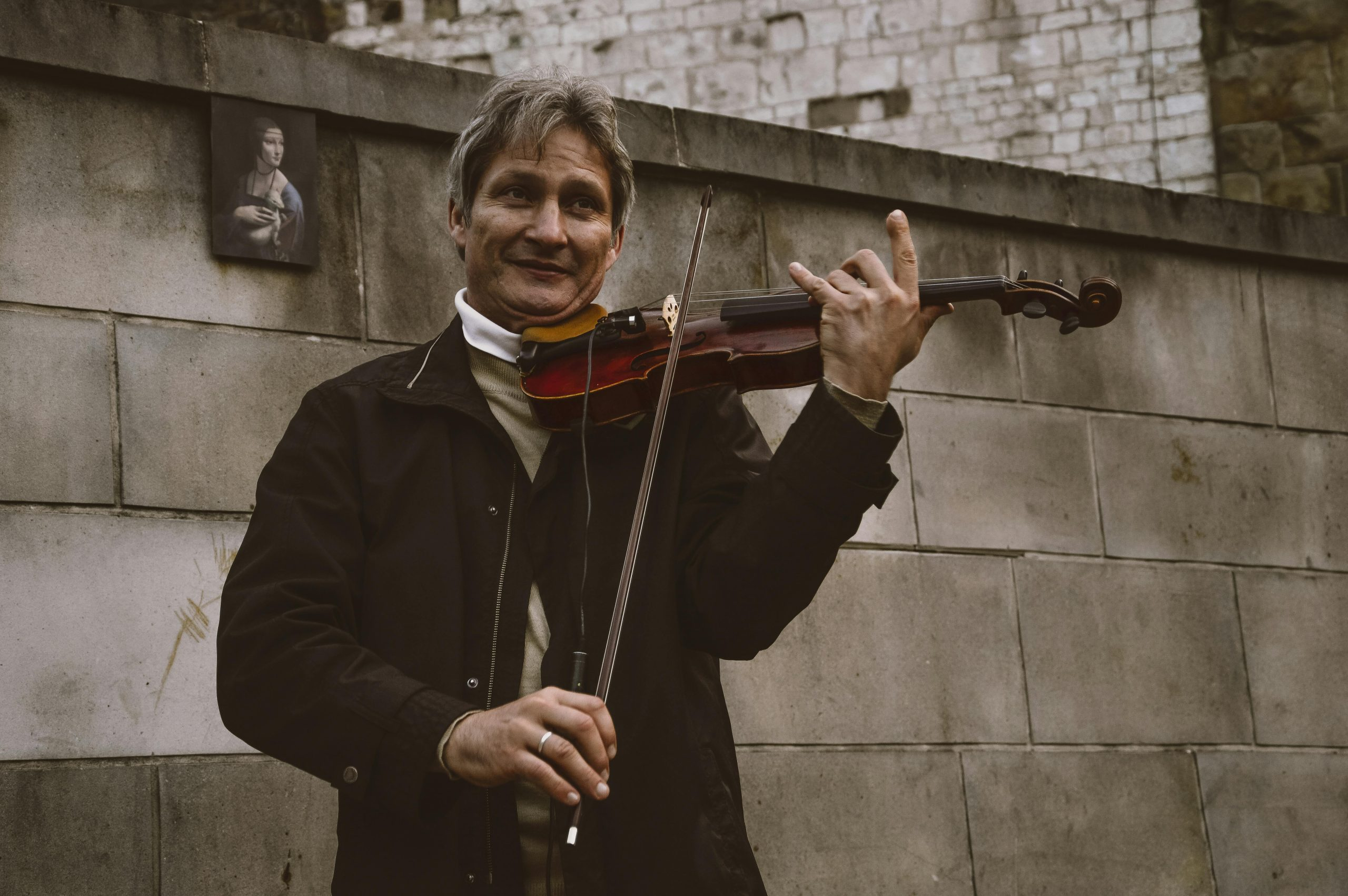
The Evolution of Cultural Identity Through Music
From traditional folk music to contemporary hip-hop, the evolution of music has been intertwined with the evolution of cultural identity. Music has always been a way for people to express themselves, their beliefs, and their identity. It has the ability to transcend language barriers and unite people with a shared cultural background, creating a sense of community and belonging.
There is no doubt that music has been an integral part of preserving cultural identity throughout history. In ancient civilizations, music was used to pass down traditions, beliefs, and values from one generation to the next. These songs and melodies were not only a form of entertainment but also a way to preserve the cultural identity of a society.
The Role of Music in Modern Society
In today’s diverse and globalized world, music continues to play a crucial role in shaping and preserving cultural identity. With the rise of technology and social media, music has become more accessible, allowing different cultures to share and influence each other’s music. This has led to the emergence of new music genres that are a fusion of different cultural identities, creating a rich tapestry of diversity.
One of the most significant ways in which music has transformed cultural identity in modern society is through protest songs. Artists use their music to address social and political issues, giving a voice to marginalized communities and bringing attention to their struggles. This not only highlights the diversity within a culture but also shows the power of music in creating social change and shaping cultural identity.
The Transformative Power of Music on Individuals
Beyond its impact on cultural identity, music also has the power to transform individuals on a personal level. We all have that one song or album that takes us back to a particular moment in our lives, evoking strong emotions and memories. This shows how music is deeply intertwined with our personal experiences, shaping our thoughts, beliefs, and identity.
Studies have shown that music can have a profound effect on our emotions, behavior, and even physical health. It has been used to alleviate stress, improve mood, and enhance cognitive function. These effects are not limited to a specific genre of music but can be found in different types of music across different cultures.
Music as a Tool for Cultural Integration
In a world where cultural diversity is becoming the norm, music has the power to bring people from different backgrounds together. As we listen to and appreciate different types of music, we gain a better understanding of different cultures and their unique identities. This can lead to a more inclusive and harmonious society, where cultural diversity is celebrated rather than feared.
In countries where there is a significant immigrant population, music has played a crucial role in preserving their cultural identity and helping them integrate into society. Music festivals and events that celebrate different cultures have been a way for immigrants to share their cultural heritage and for the larger society to appreciate and embrace diversity.
In Conclusion
From preserving ancient traditions to creating a more integrated and diverse society, the transformative impact of music on cultural identity is undeniable. Music has the power to shape, transform, and preserve our sense of self and belonging. As we continue to embrace and celebrate cultural diversity, let us not forget the crucial role that music plays in preserving and promoting cultural identity.