
The Best Time to Visit Kyoto: A Seasonal Breakdown
Kyoto, the former capital of Japan, is a city steeped in history, tradition, and natural beauty. With its numerous temples, shrines, and gardens, it is a must-visit for anyone exploring the Land of the Rising Sun. However, with so many amazing sights to see, it can be overwhelming to decide when is the best time to plan your visit. Should you go during Sakura season, when the cherry blossom trees are in full bloom? Or perhaps during the winter season, when the city is illuminated with stunning light displays? In this article, we will break down the best time to visit Kyoto, season by season, to help you plan the perfect trip to this enchanting city.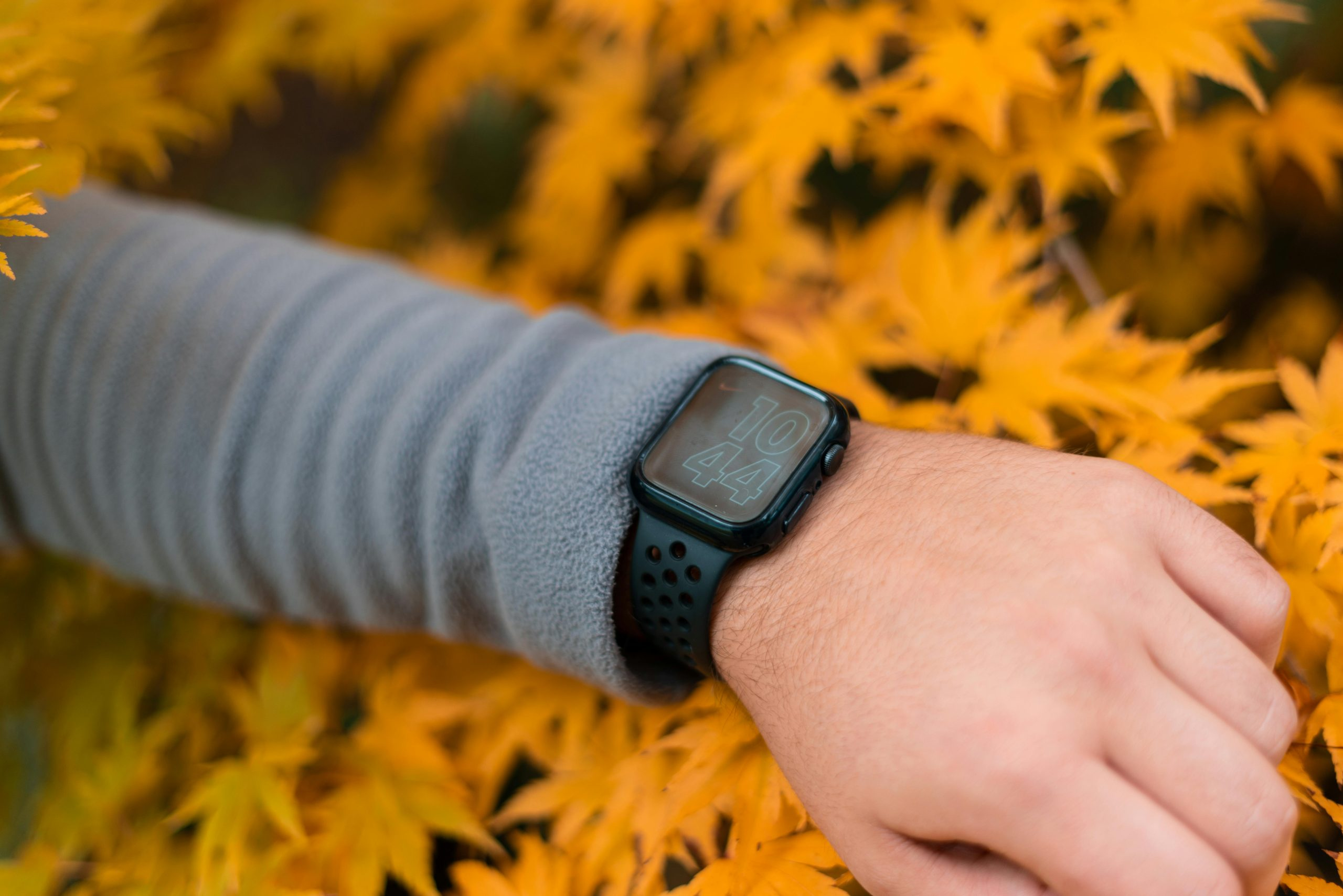
Spring: March to May
Spring is arguably the most popular time to visit Kyoto, and for good reason. This is when the famous cherry blossom trees, or sakura, are in full bloom, transforming the city into a magical pink wonderland. The blooming season typically begins in late March and lasts until early May, but the exact dates vary from year to year depending on weather conditions. The cherry blossoms will peak for about one week, so it is important to plan your trip accordingly if you want to catch this beautiful display.
What to Expect
During spring, Kyoto can get quite crowded, particularly during the cherry blossom season. Many locals and tourists flock to popular hanami, or flower-viewing, spots such as the Philosopher’s Walk, Maruyama Park, and Arashiyama. These places are great for photo opportunities, but be prepared to navigate through the crowds to see the cherry blossoms up close. The weather during spring is pleasant, with temperatures ranging from 10 to 20 degrees Celsius, making it a great time to explore the city on foot.
What to Pack
If you are planning to visit Kyoto during spring, be sure to pack lightweight, breathable clothes, as well as a light jacket or sweater for the cooler evenings. Comfortable walking shoes are a must, as you will likely be spending a lot of time on your feet. Don’t forget to bring a camera to capture the beauty of the cherry blossoms!
Summer: June to August
Summer in Kyoto is hot and humid, with temperatures usually ranging from 25 to 35 degrees Celsius. While this may sound uncomfortable, there are still plenty of things to do and see in Kyoto during this season. One of the major events during summer is the Gion Matsuri, one of Japan’s most famous festivals. The festival takes place over the entire month of July, with the main parade taking place on July 17th. This is a great opportunity to experience traditional Japanese culture and see the streets of Kyoto come alive with music, food, and street performances.
What to Expect
Aside from the Gion Matsuri, summer in Kyoto is a popular time for outdoor activities such as hiking, camping, and visiting waterfalls. The Kibune and Kurama areas in northern Kyoto are particularly popular for their scenic hiking trails and natural hot springs. If you’re not a fan of the summer heat, you can always escape to the cooler mountain areas just outside of the city.
What to Pack
To beat the summer heat in Kyoto, be sure to pack lightweight, loose-fitting clothes made from breathable fabrics such as cotton or linen. A hat, sunglasses, and sunscreen are also essential for protecting yourself from the sun. Don’t forget to stay hydrated by bringing a refillable water bottle with you as you explore the city.
Fall: September to November
Fall is another popular time to visit Kyoto, as the city’s landscape becomes a canvas of warm, vibrant hues. The best time to catch the autumn colors is usually from mid to late November. The most popular spots for viewing autumn leaves include Kiyomizu Temple, Tofukuji Temple, and Arashiyama. Besides the beautiful foliage, fall in Kyoto also means cooler temperatures and fewer crowds compared to the spring and summer seasons.
What to Expect
Fall in Kyoto is also a season for delicious food, with many local dishes featuring fall ingredients such as chestnuts, sweet potatoes, and wild mushrooms. This is a great opportunity to indulge in some traditional Japanese cuisine and warm up with a steaming bowl of ramen or udon.
What to Pack
As the temperatures start to drop, it is recommended to pack layers for the changing weather. A light jacket or sweater, as well as a scarf or shawl, will come in handy for chilly evenings. Comfortable walking shoes are still a must, as there is still a lot of exploring to do in Kyoto.
Winter: December to February
Winter in Kyoto may not be as popular as other seasons, but it has its own unique charm. The city is adorned with stunning illuminations, making it a romantic destination for couples. One of the highlights of the winter season is the Arashiyama Hanatouro, a light festival featuring thousands of lanterns and light displays along the famous bamboo grove. In addition to the illuminations, winter in Kyoto also means smaller crowds and cheaper accommodation rates.
What to Expect
As Kyoto is relatively close to the mountains, it can get quite chilly during winter, with temperatures ranging from 0 to 10 degrees Celsius. While it may not snow in the city, the surrounding areas such as Mount Hiei and Mount Koya are great places to experience a traditional Japanese winter landscape. If you’re lucky, you may even catch a glimpse of snow on Kinkakuji Temple’s golden pavilion.
What to Pack
To stay warm in Kyoto during winter, pack warm, waterproof clothes including a heavy coat, gloves, and a hat. Thermal undergarments can also come in handy for extra insulation. A sturdy pair of waterproof boots is also recommended, especially if you plan to visit the mountains.
No matter which season you choose to visit Kyoto, this historic city has something to offer all year round. Whether you prefer vibrant pink cherry blossoms, stunning autumn foliage, or romantic winter illuminations, Kyoto is a city that will capture your heart and leave you yearning to come back again and again.