
From Coachbuilders to Designers: The Art of Automotive Styling
The automotive industry has evolved significantly over the years, and one aspect that has seen significant advancements is vehicle design. From the early days of coachbuilders creating bespoke cars for the elite to modern-day designers using advanced technologies to create stunning masterpieces, the art of automotive styling has come a long way. With the constant evolution of design practices and techniques, designers have continually pushed the boundaries of automotive aesthetics. In this article, we will delve into the history and evolution of automotive styling, from the days of coachbuilders to the modern era of designers.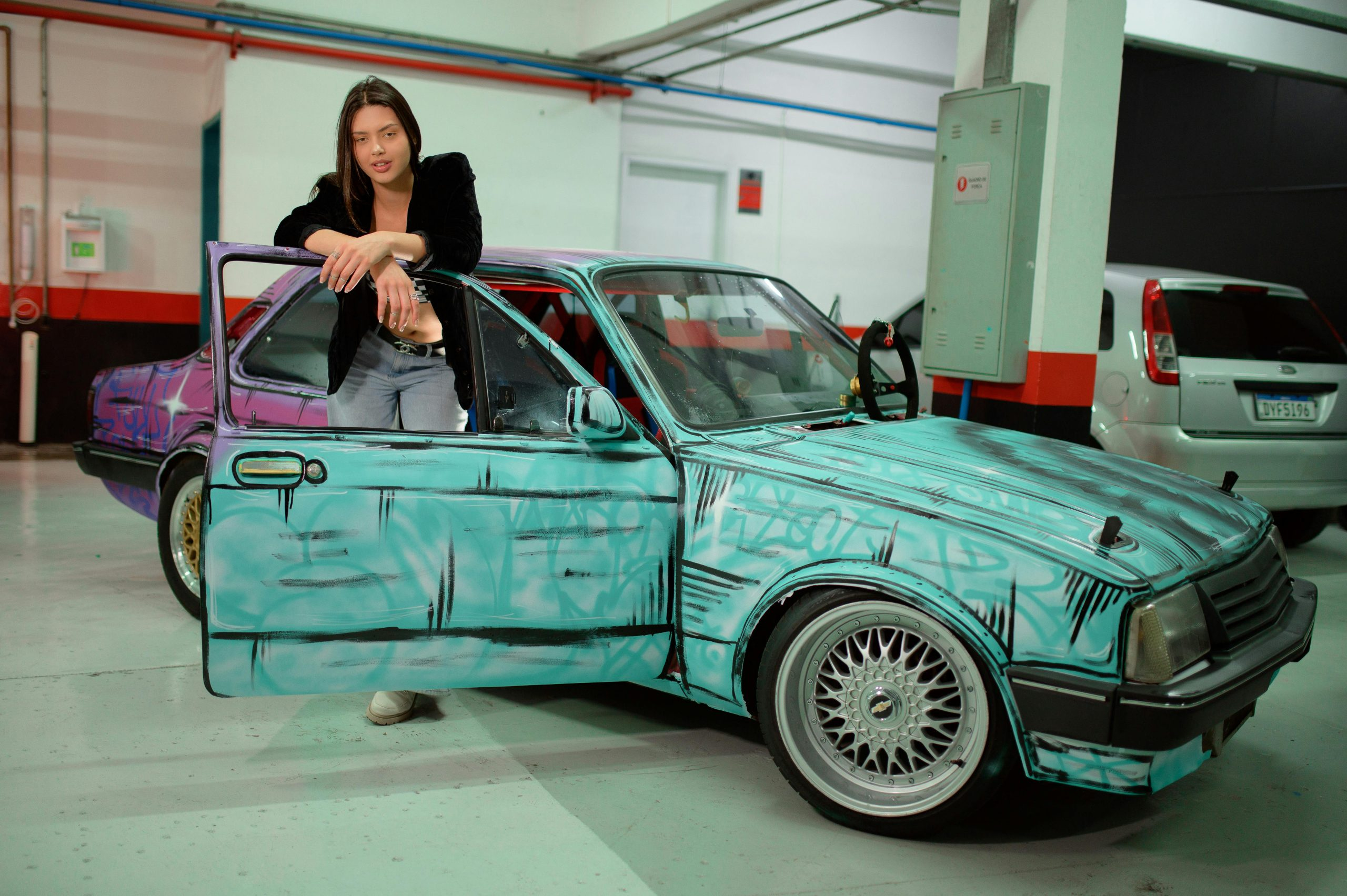
The Beginnings of Automotive Styling
The concept of automotive design can be traced back to the early 1900s when cars were first manufactured. During this time, cars were a luxury item, and only the wealthy could afford them. As a result, they were often individually designed and built by hand. This task was usually left to coachbuilders who were skilled craftsmen with the ability to create unique and luxurious cars for their clients.
Coachbuilders were responsible for the entire process of creating a car, from designing the bodywork to building it by hand. This process was highly labor-intensive and required great skill and craftsmanship. These vehicles were not mass-produced, and each one was unique, tailored to the client’s preferences and specifications. This exclusivity and attention to detail made these cars highly sought after and valuable.
The Rise of Automotive Design
In the 1920s and 1930s, the demand for cars increased, and manufacturers started mass-producing vehicles. With the increase in production, the need for handmade cars by coachbuilders reduced, and their role began to fade. This paved the way for the emergence of automotive stylists or designers.
The term “designer” first gained prominence in the automobile industry when General Motors hired Harley Earl as the company’s first designer in 1927. Earl introduced the concept of “styling” to create a unique and recognizable look for automobiles. This approach was a significant departure from the traditional coachbuilding process, where cars were designed and built from scratch for each client.
Earl’s expertise in creating aesthetically appealing vehicles led to the introduction of the first “Art and Color Section” within General Motors, and he is credited with designing iconic cars like the 1927 LaSalle, the first Cadillac with a streamlined design.
The Evolution of Automotive Styling
1940s-1960s: Streamlining and Modernism
The post-World War II era saw the introduction of aerodynamics in car design. Streamlining became the primary focus, and designers strived to create more streamlined and aerodynamic vehicles. Cars like the 1948 Tucker Sedan and the 1953 Chevrolet Corvette are excellent examples of this era’s design aesthetic.
The 1960s saw major advancements in technology, and this had a significant impact on car design. With the introduction of computer-aided design (CAD) and other advanced tools, designers could now explore more complex and innovative designs.
1970s-1990s: Emphasis on Safety and Fuel Efficiency
The 1970s was a decade of change in the automotive industry, with safety and fuel efficiency becoming major concerns. As a result, car designs focused on safety features like airbags and seatbelts and incorporating features to improve fuel efficiency. Designs were no longer just about aesthetics, but also functional and practical.
2000s-Present: Technological Advancements and Sustainability
Advancements in technology over the years have had a significant impact on car design. With computers and advanced software, designers can create and test designs virtually, saving time and resources. This has resulted in more innovative and futuristic designs, such as the Tesla Model S and the BMW i8.
In recent years, there has also been a shift towards sustainable and eco-friendly designs. With the rise of electric and hybrid cars, designers are now incorporating sustainable materials and technologies into their designs to create environmentally friendly vehicles.
The Future of Automotive Styling
The future of automotive styling holds endless possibilities, with advancements in technology and a growing focus on sustainability. The use of 3D printing, virtual reality, and artificial intelligence is revolutionizing car design and will continue to shape the future of the industry. Additionally, as consumer preferences and technology continue to evolve, designers will have to adapt and innovate continuously to meet the ever-changing demands of the market.
The Art of Automotive Styling: A Perfect Blend of Form and Function
The evolution of automotive styling from the days of coachbuilders to modern-day designers is a testament to the advancements in technology and the ever-changing demands of the industry. The art of automotive styling is a perfect blend of form and function, with designers carefully considering both aesthetics and practicality in their designs. As we continue to see innovations in the automotive industry, one thing remains constant – the impact and importance of automotive styling in creating iconic and memorable vehicles.