The Rise of Digital Customization in the Modern Automotive Buying Experience
The automotive industry has seen a major shift in recent years with the rise of digital customization in the modern car buying experience. Gone are the days of simply walking into a dealership and choosing a vehicle off the lot. With the advancement of technology and the rise of digital platforms, car buyers now have more options for customization than ever before. This trend has not only changed the way people buy cars, but it has also had a significant impact on the entire automotive industry. Let’s take a closer look at the rise of digital customization and how it has transformed the modern automotive buying experience.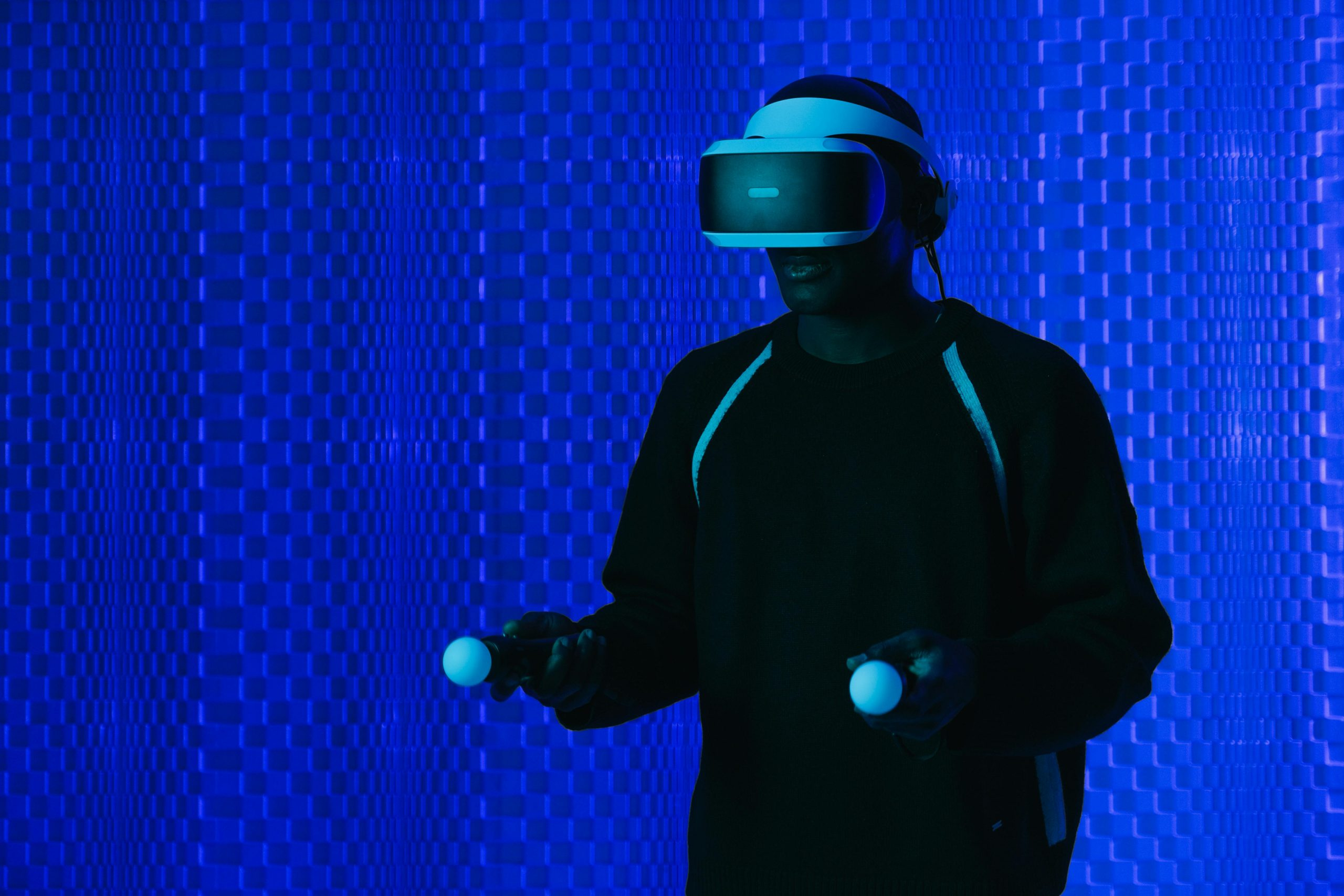
The Role of Technology in the Shift Towards Digital Customization
In the past, car buyers had limited options when it came to customizing their vehicles. They were limited to the features and options that were available on the lot. With the emergence of technology, however, the possibilities for customization have become virtually endless. From online configurators to virtual reality showrooms, consumers now have the ability to personalize their car buying experience from the comfort of their own home.
Online Configurators
Online configurators have become an increasingly popular tool for car buyers. These interactive platforms allow consumers to choose from a variety of options, such as color, trim level, and additional features. This not only gives buyers a sense of control over their purchase, but it also allows them to visualize their customized vehicle before making a decision.
Virtual Reality Showrooms
The use of virtual reality (VR) technology has also become a game-changer in the car buying experience. With VR showrooms, buyers can step into a virtual environment and experience different models and features in a lifelike setting. This not only makes the process more engaging and immersive, but it also allows buyers to see and feel the customization options in a more realistic manner.
The Impact of Digital Customization on the Automotive Industry
The rise of digital customization has not only transformed the car buying experience for consumers but has also had a significant impact on the automotive industry as a whole. Here are a few key ways in which it has influenced the industry:
Increase in Sales
By offering more options for customization, car manufacturers have seen a significant increase in sales. This is because personalized vehicles often come at a higher price point, resulting in higher profits. Additionally, the ability to customize a vehicle to fit an individual’s needs and preferences has led to increased customer satisfaction and loyalty.
Streamlined Production Process
The use of technology, such as 3D printing, has made the customization process more efficient and cost-effective. This has allowed car manufacturers to offer a wider range of customization options without significantly increasing production costs. As a result, the production process has become more streamlined and efficient.
Evolution of Marketing Strategies
Digital customization has also forced the automotive industry to adapt its marketing strategies. With an emphasis on personalization, manufacturers are now using targeted digital marketing campaigns to reach their specific audience. This has not only made marketing efforts more effective but has also allowed companies to gather more data on consumer preferences. This information can then be used to create more personalized and targeted marketing strategies in the future.
The Future of Digital Customization in the Automotive Industry
The rise of digital customization has been a game-changer in the automotive industry, and it shows no signs of slowing down. In fact, as technology continues to advance, we can expect to see even more innovative and personalized options for car buyers in the future. Virtual reality showrooms, for example, may become even more advanced, allowing buyers to experience a test drive without ever leaving their home.
Furthermore, the rise of electric and autonomous vehicles will bring new opportunities for customization. With the removal of traditional components, such as engines and gearboxes, manufacturers will have more space to work with, allowing for more custom features and designs.
In Conclusion
The rise of digital customization has revolutionized the modern automotive buying experience. From personalization to more efficient production processes, this trend has had a significant impact on the industry. As technology continues to advance, we can expect to see even more innovative ways for consumers to customize their vehicles. The future of the automotive industry is undoubtedly intertwined with digital customization, and it will be exciting to see where this trend takes us in the years to come.